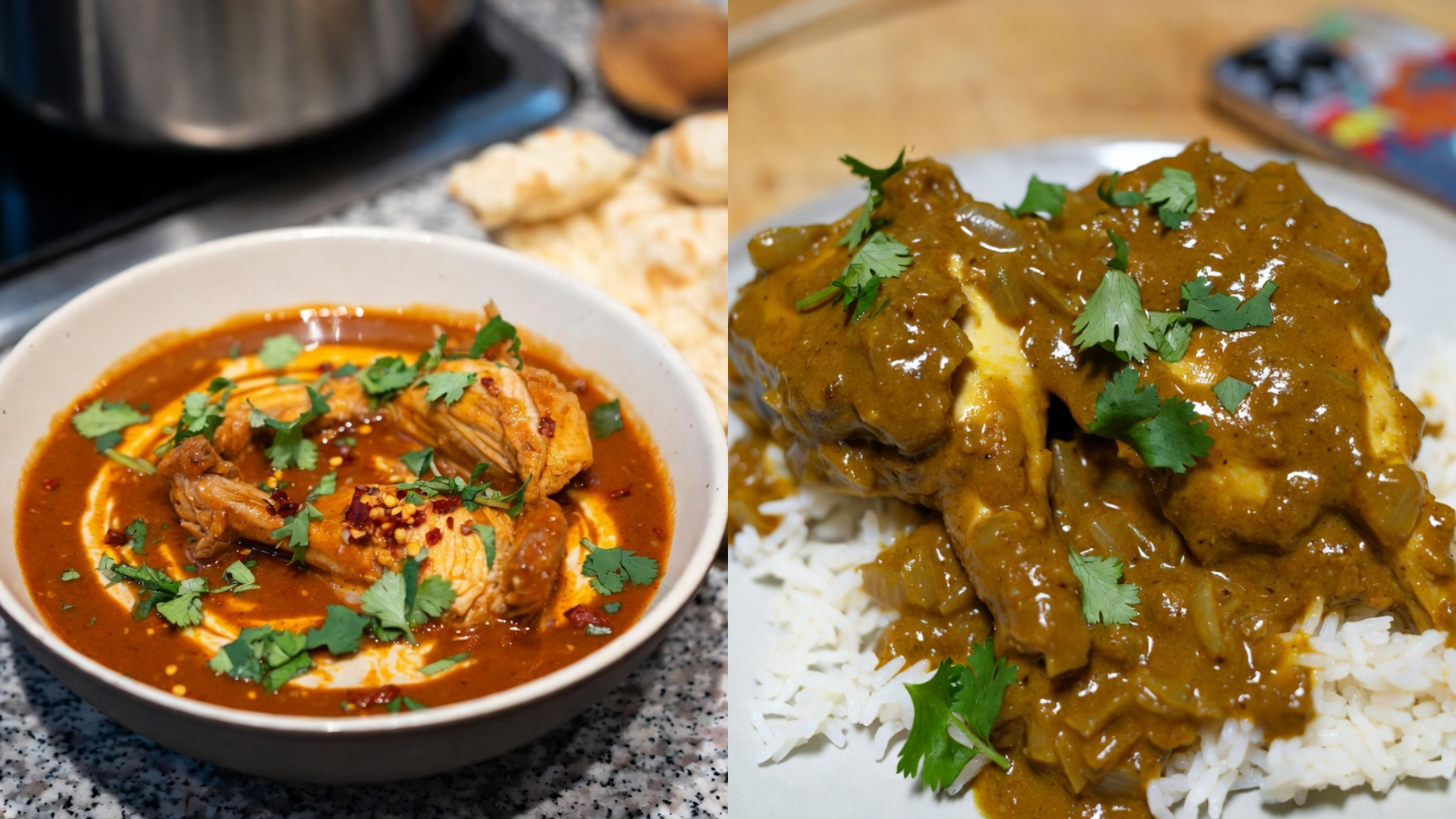
Most people assume good curry requires a specialty spice cabinet. Here’s how not to think that way. The difference between a flat, thin curry and a genuinely rich one comes down to one step: properly toasting the basic spices you already own, rather than assuming exotic ingredients are what create depth.
This rich curry chicken recipe relies on curry powder, cumin, and a handful of pantry staples most kitchens already stock, built up in layers through technique rather than obscure sourcing. The richness comes from how the spices are treated, not from what’s in them.
Prep time: 15 minutes | Cook time: 35 minutes | Total time: 50 minutes | Servings: 4
Table of Contents
What Makes This Recipe Work
- Curry powder is bloomed in oil before liquid is added — this is intentional. Spices are largely fat-soluble, so cooking them in oil first releases far more flavor than simmering them directly in liquid
- Onions are cooked low and slow until deeply softened — the science here is simple: a properly sweated onion base provides natural sweetness and body that thickens the curry without any cream or coconut milk needed
- Chicken thighs are used, not breast — most recipes skip this distinction, but thighs hold up to the longer simmer this dish needs without turning dry or stringy
- Coconut milk is added at the end, not simmered for the full cook time — this preserves its richness instead of letting prolonged heat separate the fat from the liquid
Ingredients — What to Buy and Why It Matters
- Boneless chicken thighs (1.5 lbs), cut into chunks: Thighs hold moisture through a longer simmer, unlike breast meat, which turns dry and stringy under the same cook time.
- Curry powder (2 tbsp): A standard store-brand curry powder works perfectly well here — the recipe is built around bringing out its flavor through technique, not sourcing a rarer blend.
- Ground cumin (1 tsp) and ground coriander (1 tsp): Common spices that round out the curry powder’s flavor with warmth and citrusy brightness, both easily found in any grocery store’s spice aisle.
- Yellow onion (1 large, diced): The base of the sauce — cooked long enough, it breaks down and adds natural body and sweetness that reduces the need for heavy cream or thickeners.
- Garlic (4 cloves) and fresh ginger (1 tbsp, grated): Fresh versions give a sharper, more aromatic base than powdered substitutes, which read as muddier once cooked.
- Full-fat coconut milk (1 can, 14 oz): The fat content is what gives the sauce its body — do not substitute light coconut milk, which produces a noticeably thinner, less rich result.
- Canned diced tomatoes (14 oz): Adds acidity and body to balance the richness of the coconut milk — fresh tomatoes work too, but canned gives more consistent results year-round.
- Chicken broth (1/2 cup, low sodium): Thins the sauce to the right consistency without diluting flavor the way plain water would.
Substitution note: Swapping coconut milk for heavy cream changes the flavor profile toward something less traditional but still rich — expect a slightly different, more European character to the finished dish.
Step-by-Step Instructions
- Heat 2 tablespoons of oil in a large pot or Dutch oven over medium heat. Add the diced onion and cook 8-10 minutes, stirring occasionally, until deeply softened and translucent. This is the critical step here — a properly sweated onion is what gives the curry natural body later on.
- Add the garlic and ginger, cooking 1 minute until fragrant.
- Add the curry powder, cumin, and coriander directly to the pot with the onions. Toast for 60-90 seconds, stirring constantly. What’s actually happening is the spices are releasing their fat-soluble aromatic compounds into the oil, building a flavor base that liquid alone can’t achieve.
- Add the chicken chunks and stir to coat evenly in the spiced onion mixture. Cook 3-4 minutes, until the exterior is no longer pink.
- Add the diced tomatoes and chicken broth. Bring to a simmer, then reduce heat to low and cover. Simmer 20 minutes, stirring occasionally, until the chicken is tender and cooked through.
- Stir in the coconut milk and simmer uncovered for 5 more minutes, just until heated through. This is non-negotiable if you want the coconut milk to retain its richness — extended boiling risks breaking the fat out of the sauce.
- Taste and adjust salt. Canned tomatoes and broth both carry some sodium, so season gradually rather than all at once.
Technique Notes for Better Results
- The professional approach here is blooming the spices in oil before anything else touches the pot — skipping this step is the single biggest reason home curries taste flat
- Where most home cooks go wrong is rushing the onion, pulling it off the heat before it’s actually softened and sweet, which leaves the sauce thinner and less balanced
- If your curry powder has been sitting in the cabinet for over six months, use slightly more than the recipe calls for to compensate for lost potency
- A squeeze of fresh lime juice at the very end brightens the whole dish without requiring any additional spices
- Simmer gently once the coconut milk is added — a hard boil risks the sauce separating and turning oily on top
- For a deeper flavor, toast the curry powder alone in a dry pan for 30 seconds before adding it to the onions, though this step is optional
Plating and Serving
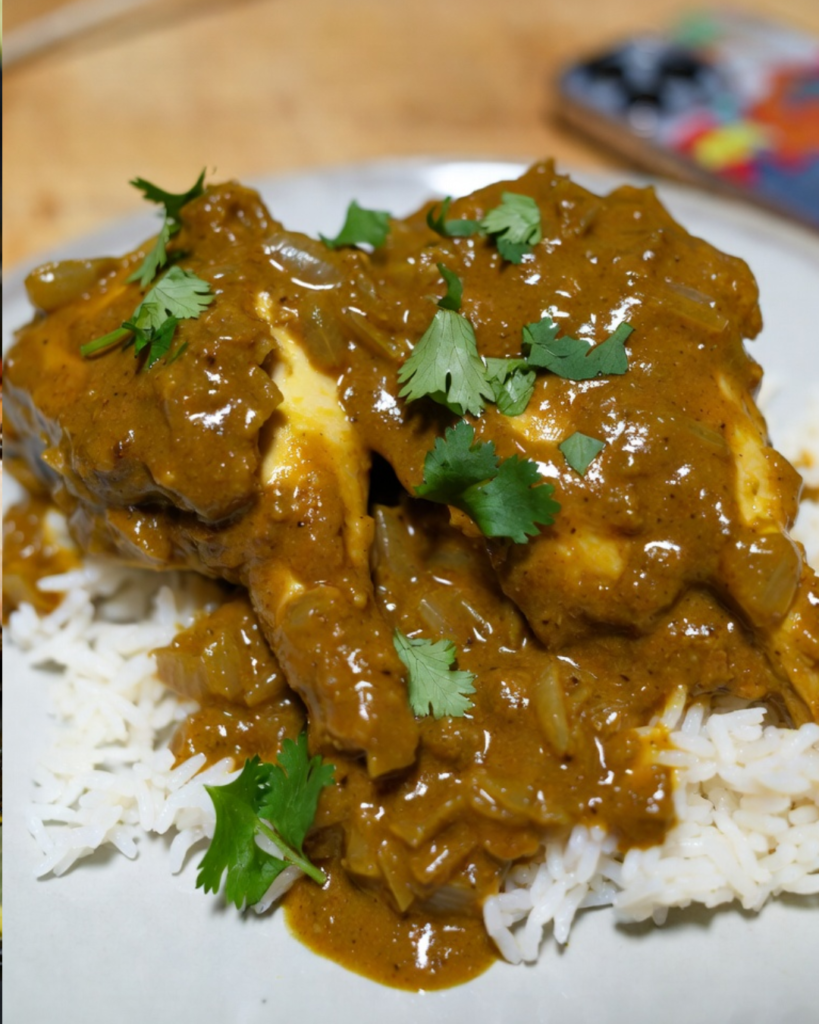
- Serve over steamed basmati rice, which absorbs the sauce without competing with its spice profile
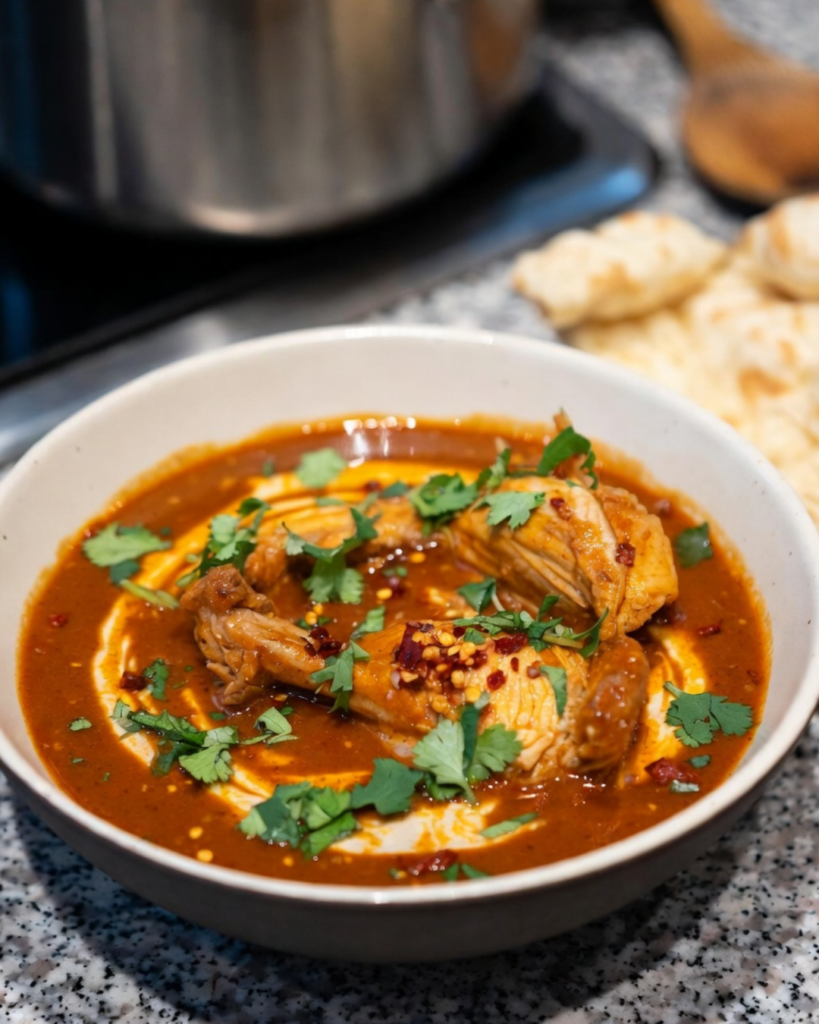
- Warm naan or roti works well for scooping, especially with a curry this rich
- A simple cucumber salad with lime and salt offers a cool, crisp contrast to the warmth of the dish
- Garnish with fresh cilantro and a wedge of lime for both color and a final layer of brightness
- A crisp lager or a slightly off-dry white wine both cut through the richness without competing with the spice
Nutritional Profile
Chicken thighs provide iron and protein along with more fat than breast meat, which is part of what keeps them tender through the longer simmer. Coconut milk contributes medium-chain triglycerides, a fat type metabolized somewhat differently than typical saturated fats, though it remains calorie-dense. For a lighter version, using light coconut milk cuts fat and calories but produces a noticeably thinner sauce, so consider adding a spoonful of tomato paste to help maintain body. Basmati rice has a lower glycemic impact than some other rice varieties, making it a reasonable choice for those monitoring blood sugar.

Common Questions, Answered Directly
Can I use chicken breast instead of thighs? Yes, but reduce the simmer time slightly and check for doneness earlier, since breast meat dries out faster over extended cook times.
How long does this keep? Up to 4 days refrigerated in a sealed container — the flavor often improves by the second day as the spices continue to meld.
Can I freeze this curry? Yes, up to 3 months in a sealed container. Coconut milk-based sauces can separate slightly on thawing, so whisk well while reheating gently on the stove.
What if I don’t have curry powder? A mix of turmeric, cumin, coriander, and a pinch of cayenne approximates it reasonably well, though the flavor will be slightly less rounded than a pre-blended curry powder.
Skip the specialty spice hunt tonight — this comes together with what’s already in your pantry.