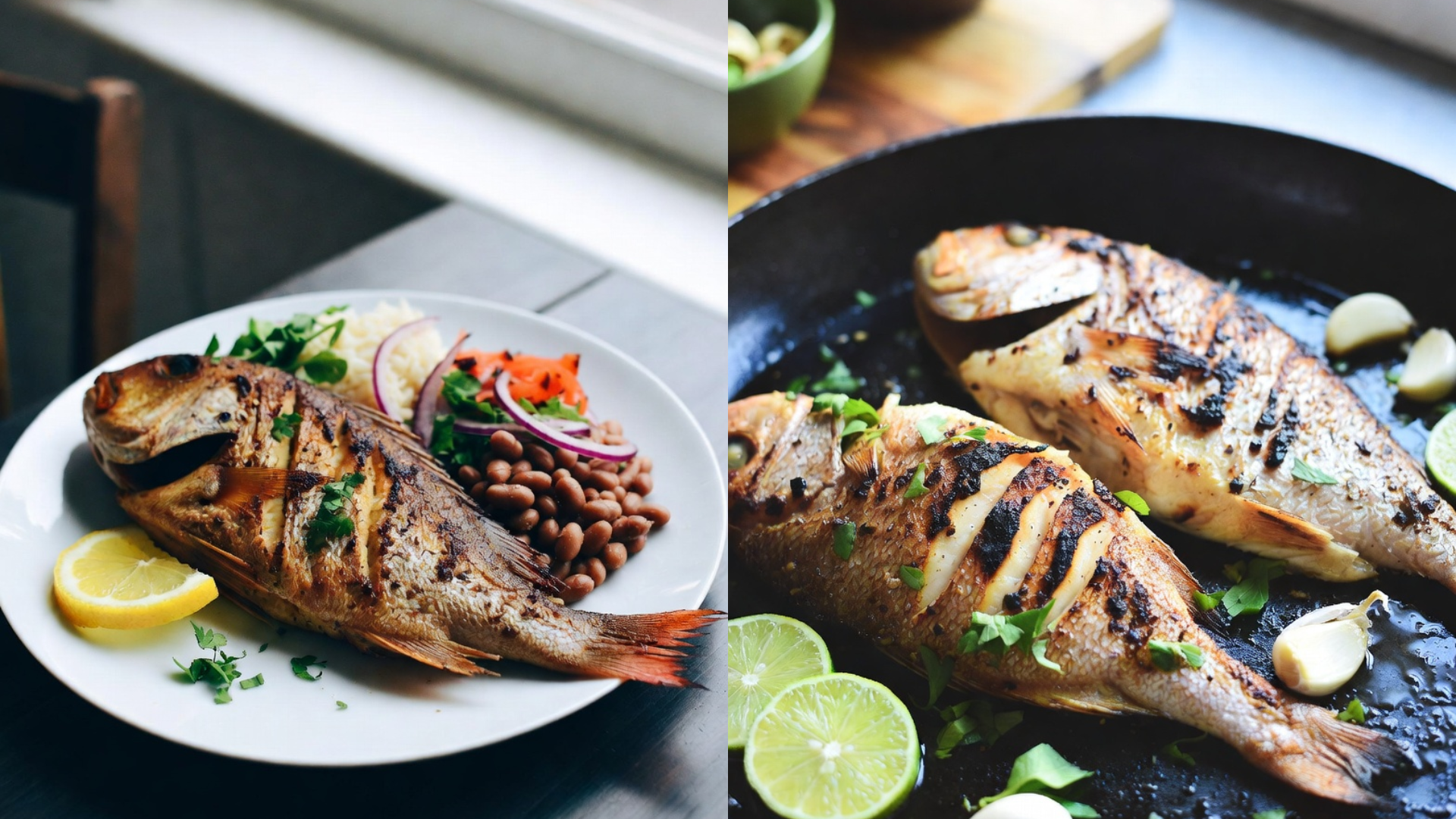
Most people overcook this. Here’s how not to. The difference between rubbery, overdone snapper and a genuinely great weeknight dinner comes down to one step: matching the cook time to the fish’s thin, delicate structure, since snapper needs a fraction of the time most home cooks instinctively give it.
This easy weeknight snapper fish recipe relies on a fast pan-sear, minimal handling, and a simple pan sauce that comes together in the same skillet while the fish rests. Snapper is genuinely one of the quickest proteins you can cook well — the challenge is trusting how little time it actually needs.
Prep time: 5 minutes | Cook time: 8 minutes | Total time: 13 minutes | Servings: 4
Table of Contents
What Makes This Recipe Work
- The fish cooks over medium-high heat for just a few minutes per side — this is intentional. Snapper fillets are thin and lean, and high heat for a short burst sears the exterior before the interior has a chance to dry out
- The pan sauce is built in the same skillet immediately after the fish comes out — the science here is simple: the browned bits left behind carry concentrated flavor, and building the sauce there rather than in a separate pan captures all of it
- Flour dredging is light, not heavy — most recipes skip explaining this, but a thin coating protects the delicate flesh during searing without adding the extra cook time a thick batter would require
- The fish rests briefly while the sauce comes together — this short rest lets carryover heat finish the center gently, rather than needing to fully cook it through in the pan
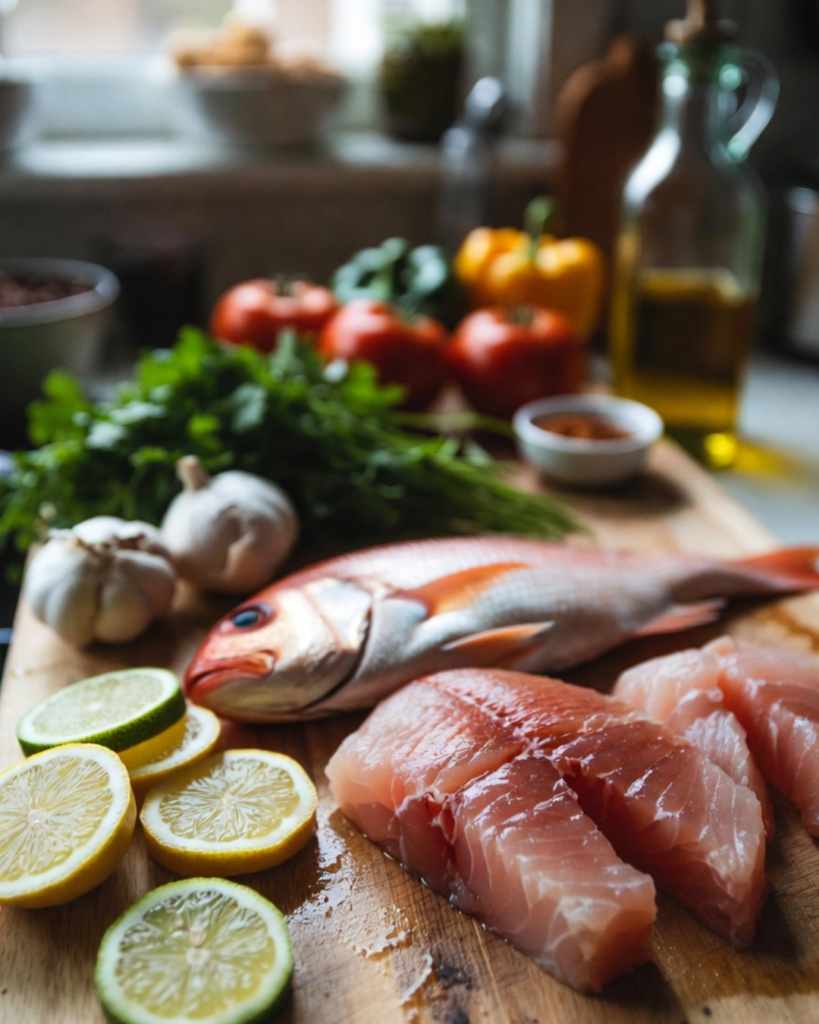
Ingredients — What to Buy and Why It Matters
- Snapper fillets (4, about 6 oz each), skin removed or on, depending on preference: Thin and lean by nature, snapper cooks quickly and dries out fast if given too much time — this is exactly why the technique here focuses on speed and gentle handling.
- All-purpose flour (1/4 cup), for a light dredge: A thin coating helps protect the fish’s surface and promotes even browning — do not use a thick batter, which would extend the cook time beyond what this delicate fish can handle.
- Butter (3 tbsp) and olive oil (2 tbsp): The combination allows searing at a slightly higher temperature than butter alone would tolerate, while butter still contributes flavor and helps build the pan sauce afterward.
- Fresh lemon (1, juiced, plus wedges for serving): Added to the pan sauce off the direct high heat, preserving its brightness rather than letting it cook down and lose acidity.
- Garlic (2 cloves, thinly sliced) and capers (2 tbsp, drained): Both added briefly to the pan after the fish is removed, building a quick, flavorful sauce using the fond left behind.
- Fresh parsley (a small handful, chopped): A finishing touch added at the very end, contributing color and a fresh, sharp note against the richness of the butter sauce.
Substitution note: Any thin, delicate white fish like flounder or tilapia can use this same method, though adjust cook time down slightly further for even thinner fillets.
Step-by-Step Instructions
- Pat the snapper fillets completely dry with paper towels. This is the critical step here — surface moisture prevents proper browning and can cause the fish to steam rather than sear.
- Season lightly with salt and pepper, then dredge in flour, shaking off excess. A thin, even coating is what you want, not a thick layer.
- Heat the butter and olive oil in a large skillet over medium-high heat, until the butter is melted and just beginning to foam.
- Place the fillets in the pan and cook undisturbed for 3 minutes. What’s actually happening is the exterior is setting and browning while the interior heats through gently — moving the fish too early risks tearing the delicate flesh before it’s ready to release.
- Flip once, gently, using a thin spatula, and cook the second side for 2-3 minutes, until the fish flakes easily and reaches an internal temperature of about 130°F.
- Remove the fish to a plate and tent loosely with foil. This is non-negotiable if you want a tender result — resting allows carryover heat to finish the center gently rather than overcooking it directly in the pan.
- In the same skillet, add the garlic and capers, cooking 30-45 seconds until fragrant. Squeeze in the lemon juice, scraping up any browned bits from the bottom of the pan.
- Spoon the pan sauce over the rested fish and finish with fresh parsley just before serving.
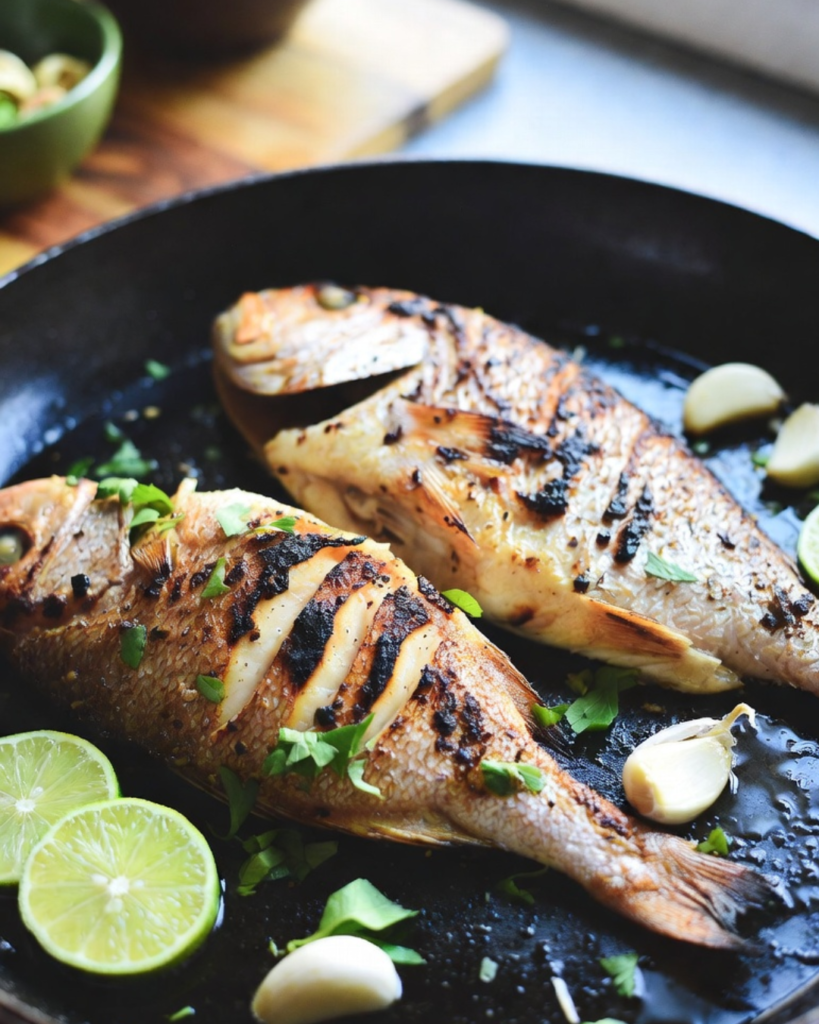
Technique Notes for Better Results
- The professional approach here is trusting the short cook time rather than second-guessing it — snapper’s thin structure genuinely doesn’t need more than a few minutes per side to cook through safely
- Where most home cooks go wrong is treating snapper like a heartier fish and leaving it in the pan too long, which dries it out well before it looks “done enough” by instinct
- If the fish sticks when you try to flip it, it likely isn’t ready — a properly seared fillet releases cleanly from the pan on its own
- Building the sauce in the same pan immediately after the fish comes out captures flavor that would otherwise be lost if you started fresh in a clean pan
- For an even faster weeknight version, skip the flour dredge entirely and sear the fish plain, though the exterior won’t develop quite the same light crust
- Keep the heat at medium-high, not higher, throughout — snapper’s thin fillets cook fast enough already, and higher heat risks burning the exterior before the interior catches up
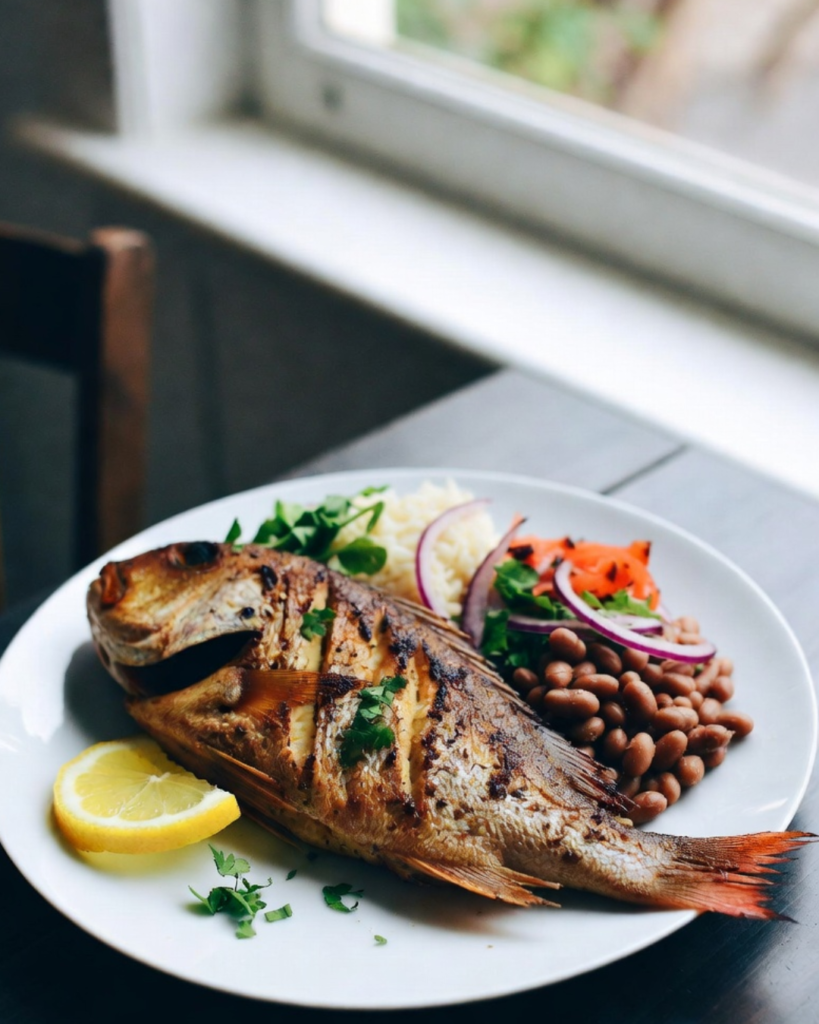
Plating and Serving
- A simple side salad with a light vinaigrette rounds out the meal without adding much prep time
- Steamed rice or a quick sauté of green beans both work well and can cook alongside the fish
- Spoon the pan sauce generously over the fish just before serving, letting it pool slightly on the plate
- Garnish with a lemon wedge on the side for anyone who wants extra brightness
- A crisp Sauvignon Blanc or a light Pinot Grigio both pair well, matching the fish’s delicate character rather than overwhelming it
Nutritional Profile
Snapper is a lean, low-fat fish that provides a good source of protein along with selenium and B vitamins, making it a solid choice for a quick, nutritious weeknight dinner. The butter-based pan sauce adds richness and some saturated fat, though the overall quantity used is modest relative to the size of the dish. For a lighter version, reducing the butter and relying more on olive oil cuts some fat while still allowing a proper sear and a flavorful sauce base. This dish is naturally low in carbohydrates, making it a reasonable option for those managing blood sugar or following a lower-carb approach.
Common Questions, Answered Directly
Can I use frozen snapper for a quick weeknight meal? Yes, thawed completely and patted very dry, since residual moisture from thawing interferes with getting a proper sear in the short cook time this method uses.
Why does my snapper always turn out dry on a weeknight? You’re likely overcooking it out of caution. Trust the shorter cook time here and let the brief rest finish the center gently instead of cooking it fully in the pan.
Can I bake this instead for a hands-off version? Yes, at 400°F for about 8-10 minutes depending on thickness, though the pan sauce technique described here specifically depends on stovetop searing to build the fond.
How long does cooked snapper keep? Two to three days refrigerated in a sealed container, best served cold or gently reheated rather than microwaved on high, which tends to overcook it further.
Skip the takeout tonight — this comes together faster than delivery, and the technique is simpler than it looks.