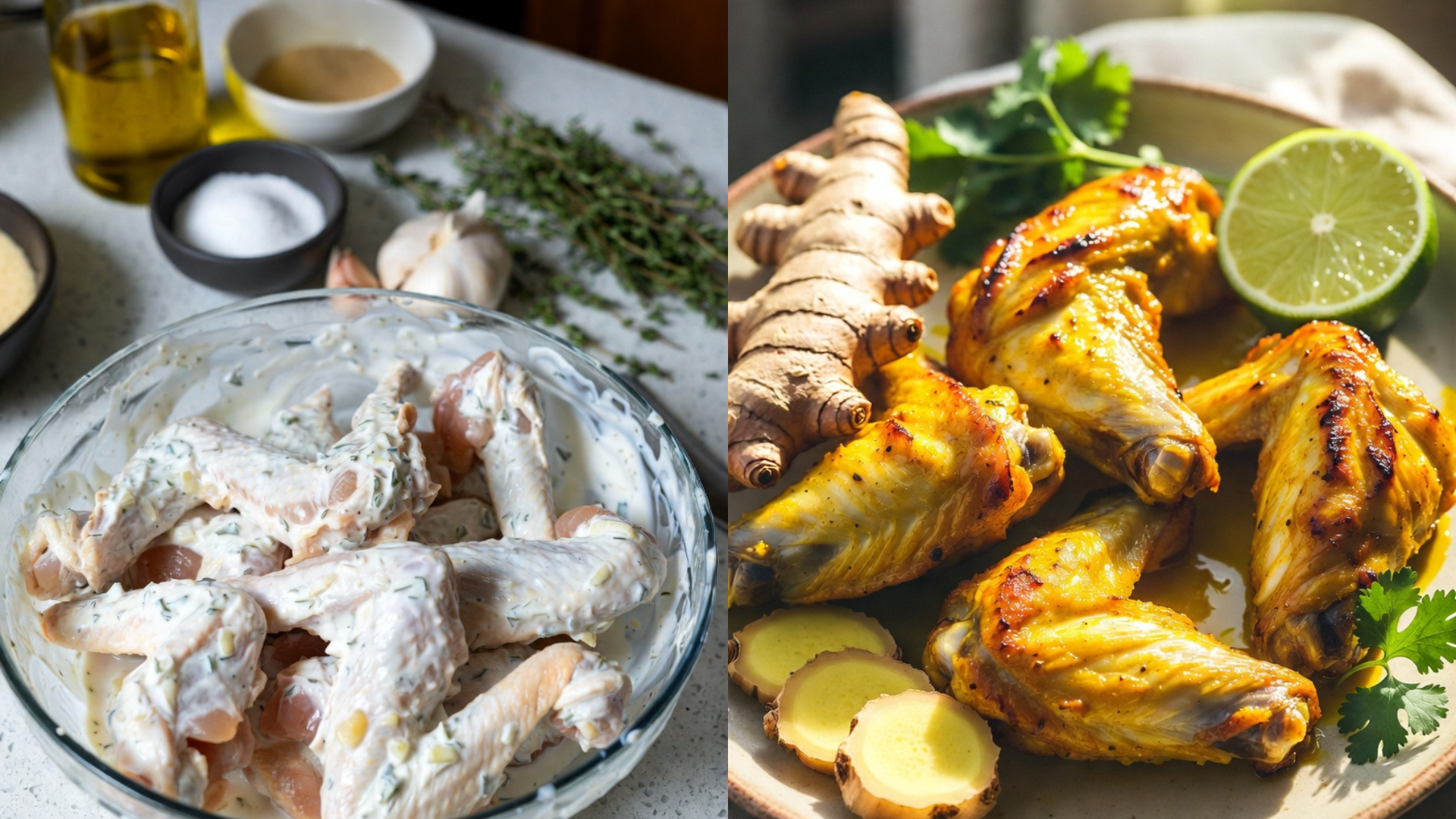
Most people overcook this — or rather, they undersear the skin. Here’s how not to. The difference between soggy, pale wings and genuinely crispy ones comes down to one step: adding a small amount of baking powder to the marinade or dry coating, since it raises the skin’s pH and dramatically speeds browning during cooking.
These marinade recipes for chicken wings everyone is obsessed with right now work because they treat marinade time and skin preparation as equally important, not just flavor as an afterthought poured over already-cooked wings. Properly marinated wings that also crisp well require a bit more planning than sauce added at the end, but the payoff is worth it.
Prep time: 15 minutes (plus 2+ hours marinating) | Cook time: 40 minutes | Total time: 3+ hours, plus marinating | Servings: 4
Table of Contents
What Makes This Recipe Work
- A small amount of baking powder is added to the marinade or dry rub — this is intentional. Baking powder raises the pH of the skin, which speeds the Maillard reaction responsible for deep browning and crispness during baking or frying
- Wings are patted completely dry after marinating, before cooking — the science here is simple: any residual marinade liquid on the surface steams the skin instead of crisping it, so drying thoroughly is what actually determines the final texture
- The marinade includes both acid and oil, not just sauce — most recipes skip building a real marinade, relying on bottled sauce alone, but acid tenderizes slightly while oil helps distribute fat-soluble flavors evenly across the wings
- Wings marinate for at least 2 hours, ideally overnight — flavor penetration takes real time, and rushing this step results in wings that taste seasoned only on the surface rather than throughout
Ingredients — What to Buy and Why It Matters
- Chicken wings (2.5 lbs), split into flats and drumettes: Splitting them yourself is worth the extra few minutes, since pre-split wings from the store are sometimes inconsistent in size, which affects even cooking.
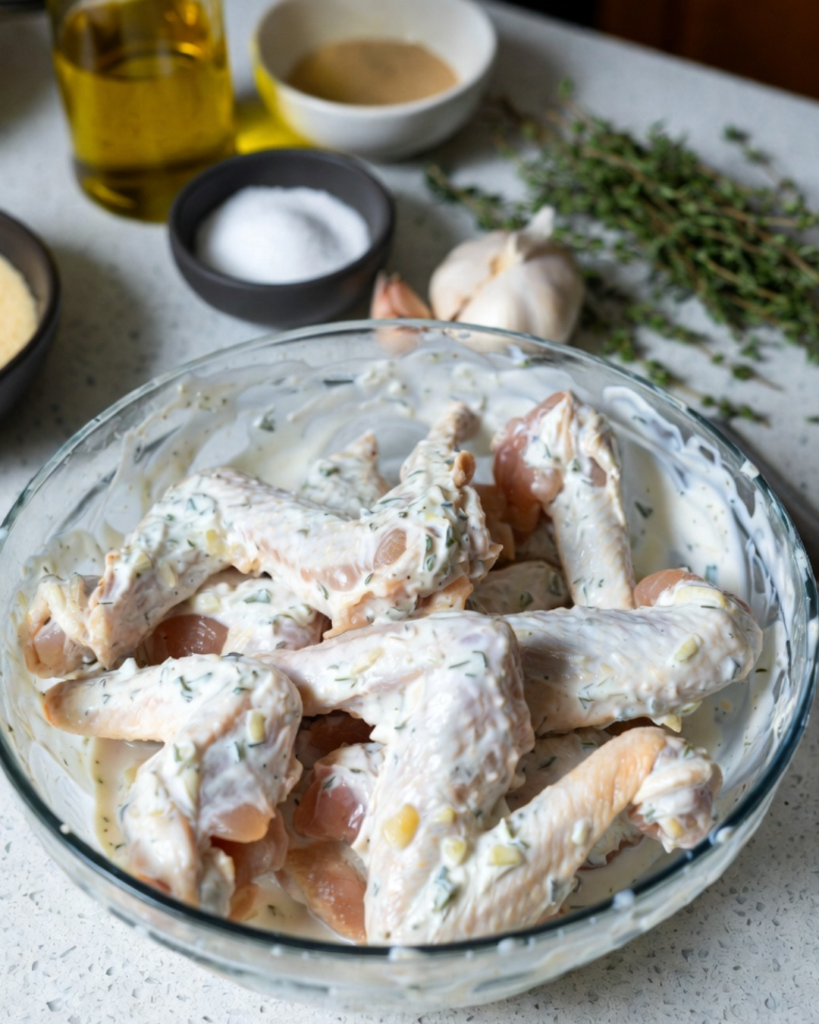
- Buttermilk or plain yogurt (1 cup), for the base marinade: Both carry mild acidity that helps tenderize the meat slightly while also helping seasoning adhere to the skin — do not substitute a stronger acid like straight vinegar, which can turn the texture mushy if left too long.
- Baking powder (1 tbsp, not baking soda): This is the key mechanism behind extra-crispy skin — do not substitute baking soda, which has a different chemical reaction and can leave a metallic, soapy aftertaste if used in the same quantity.
- Garlic powder, smoked paprika, and cayenne (1 tsp each): A versatile base seasoning blend that works whether you’re finishing the wings with a wet sauce or leaving them dry.
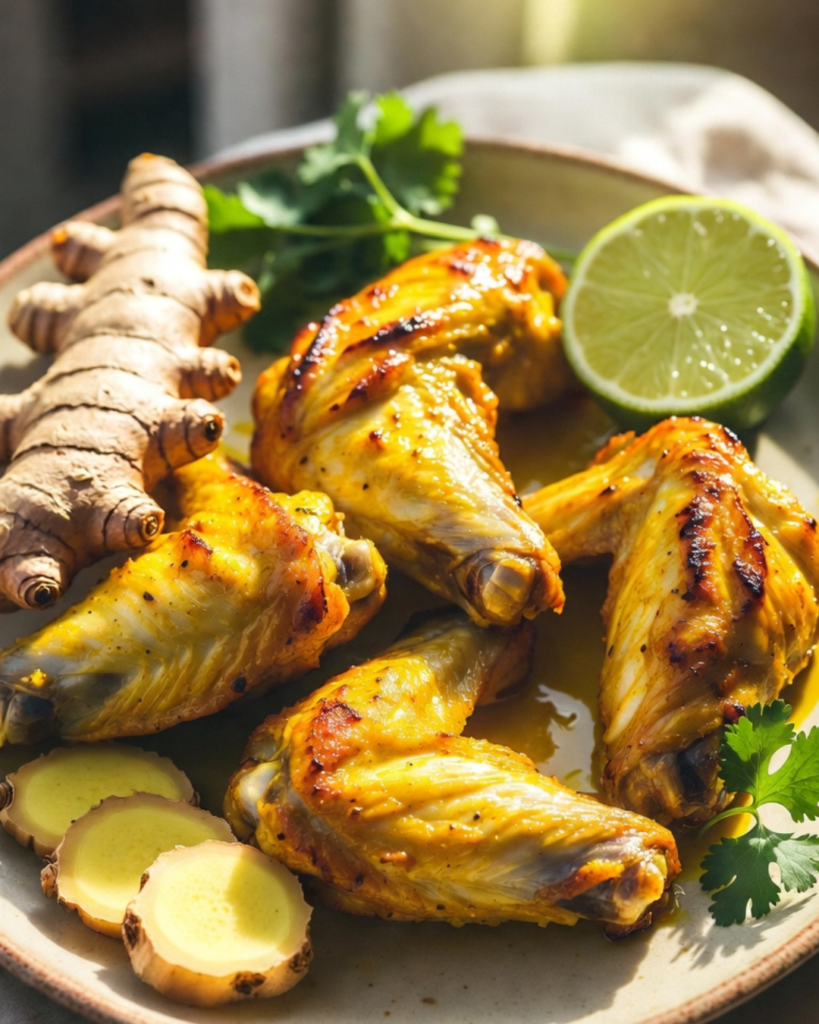
- Fresh garlic (3 cloves, minced) and fresh ginger (1 tbsp, grated), for an Asian-inspired variation: Added to a soy-based marinade in place of the buttermilk base, these bring a completely different flavor direction using the same underlying technique.
- Neutral oil (2 tbsp): Helps distribute fat-soluble spices evenly and assists with browning once the wings hit high heat.
Substitution note: A dry brine — just salt and baking powder, no liquid marinade — works as a faster alternative if you’re short on time, though you’ll sacrifice some of the flavor penetration a wet marinade provides over several hours.
Step-by-Step Instructions
- Combine the buttermilk, garlic powder, smoked paprika, cayenne, and half the baking powder in a large bowl or resealable bag. This is the critical step here — building a genuine marinade with acid, fat, and aromatics does more flavor work than a sauce applied only after cooking.
- Add the wings, tossing to coat evenly. Refrigerate for at least 2 hours, ideally overnight for deeper flavor penetration.
- Remove the wings from the marinade and pat them completely dry with paper towels, discarding the marinade. What’s actually happening here is you’re removing the surface moisture that would otherwise steam the skin instead of letting it crisp.
- Toss the dried wings with the remaining baking powder and a little oil, coating evenly. This second application, on dry skin, is what maximizes the crisping effect during cooking.
- Preheat the oven to 425°F. Arrange the wings in a single layer on a wire rack set over a baking sheet, leaving space between each piece.
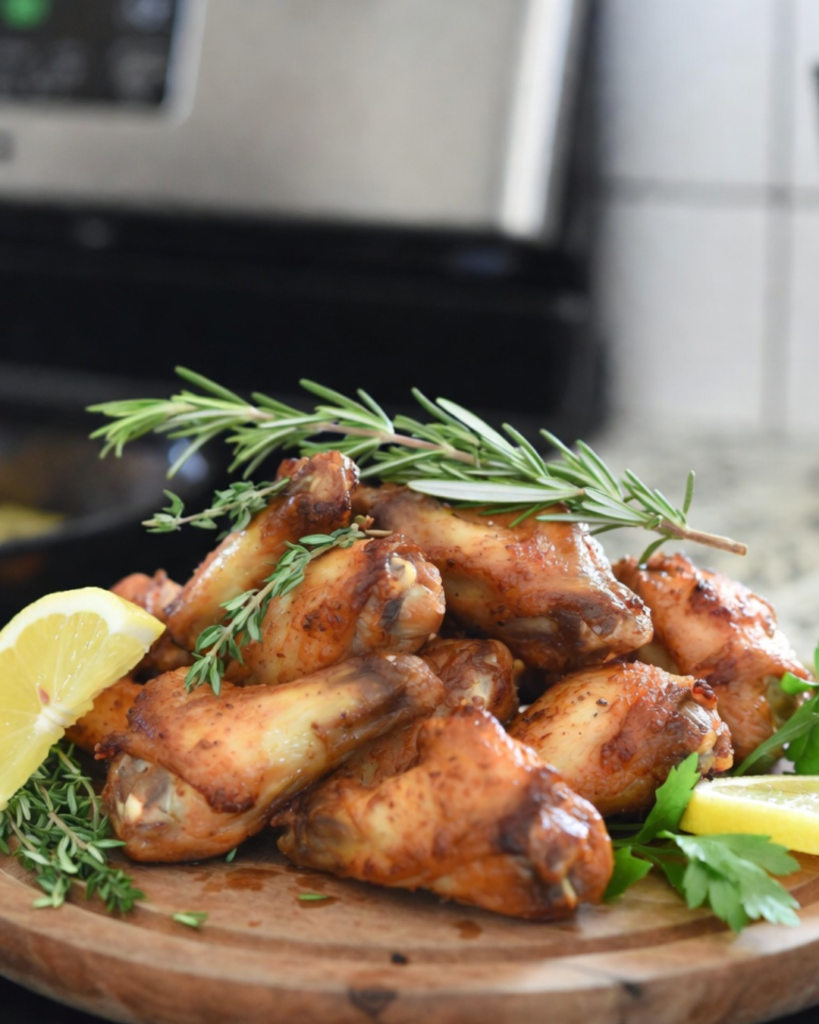
- Bake for 40-45 minutes, flipping halfway through, until the skin is deeply golden and crisp, and the internal temperature reaches 165°F.
- Let the wings rest for 5 minutes before tossing in your finishing sauce, if using. This is non-negotiable if you want to preserve crispness — tossing wings in sauce while still very hot can soften the skin faster than a brief rest allows.
Technique Notes for Better Results
- The professional approach here is using a wire rack rather than laying wings directly on the baking sheet, which allows air to circulate underneath and crisps both sides more evenly
- Where most home cooks go wrong is skipping the pat-dry step after marinating, assuming the marinade’s flavor is worth the moisture it leaves behind — it isn’t, since that moisture directly works against crispness
- If your wings aren’t crisping despite following the recipe, check that they weren’t overcrowded on the rack, since pieces touching each other trap steam between them
- A finishing toss in sauce, done gently and just before serving, keeps the sauce from soaking in and softening the crispy skin you worked to build
- For an even crispier result, let the dry-coated wings sit uncovered in the fridge for an additional 30 minutes before baking, which helps further dry the skin’s surface
- Taste your marinade before adding the wings, adjusting salt and heat to preference, since it’s much easier to correct before the wings are coated than after
Plating and Serving
- Classic celery and carrot sticks alongside a blue cheese or ranch dip cut through the richness of the wings
- A simple slaw with a vinegar-based dressing offers acidity that balances the deep-fried or baked richness
- Serve immediately after tossing in sauce, while the skin is still at its crispest
- Arrange wings on a platter lined with paper to absorb any excess oil, keeping the presentation clean
- A cold lager or a crisp cider both pair well, cutting through the richness of the wings regardless of which sauce direction you choose
Nutritional Profile
Chicken wings carry meaningful fat from the skin, which is part of why they crisp so well under this method — removing the skin before cooking is possible but sacrifices most of the texture this recipe is built around. The buttermilk marinade adds a modest amount of protein and calcium beyond what the chicken itself provides. For a lighter version, baking rather than frying already reduces fat significantly compared to a fried preparation, and using a smaller amount of finishing sauce further trims added sugar and calories. This marinade technique adapts well to a range of flavor directions without changing the core nutritional profile much.
Common Questions, Answered Directly
Why does my baking powder leave a strange aftertaste? You likely used too much, or accidentally substituted baking soda. Stick to the stated amount of baking powder specifically, since it’s formulated differently and won’t leave the same metallic taste.
Can I marinate the wings for longer than overnight? It’s best to stay within 24 hours — much longer, and the acid in the buttermilk marinade can start affecting the texture of the meat in a way that isn’t desirable.
Can I fry these instead of baking? Yes, the same marinade and baking powder coating work well for frying at 350°F for about 8-10 minutes, though watch closely since fryer times vary by equipment.
How long do cooked wings keep? Up to 4 days refrigerated in a sealed container — reheat in the oven at 400°F for a few minutes to help recrisp the skin rather than using a microwave.
Marinate a batch tonight for tomorrow — the extra planning is exactly what separates wings everyone’s obsessed with from an ordinary batch.