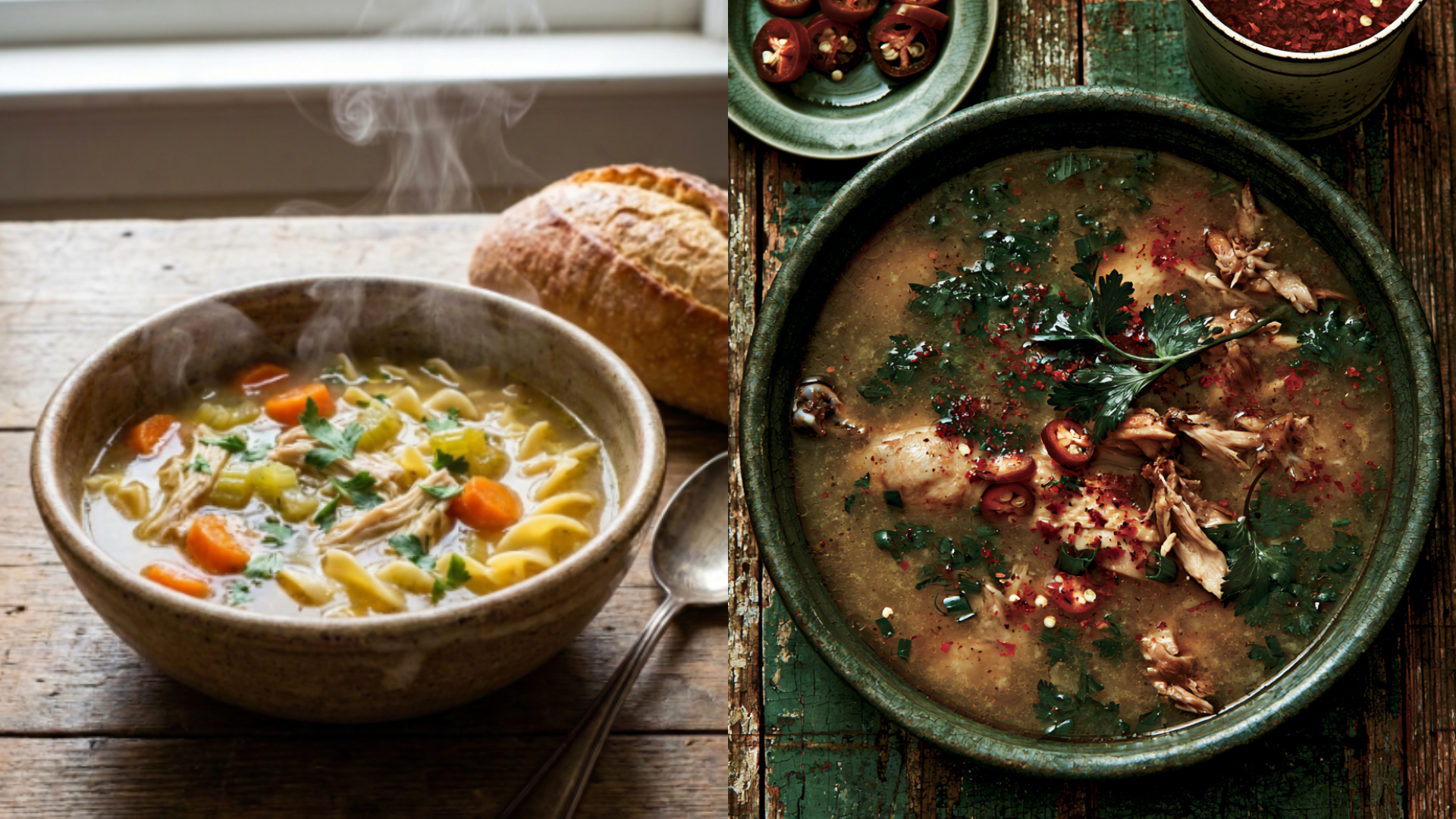
Most people overcook this. Here’s how not to. The difference between a thin, forgettable chicken soup and one with real depth comes down to one step: building flavor in layers throughout the cooking process, rather than relying on salt at the end to fix what was never developed in the first place.
These three chicken soup recipes proven to never taste bland share a single foundational technique — browning the chicken and aromatics before any liquid touches the pot — applied across three different flavor directions. Bland soup is almost never a seasoning problem. It’s a sequencing problem.
Prep time: 15 minutes | Cook time: 40 minutes | Total time: 55 minutes | Servings: 6 per recipe
Table of Contents
What Makes This Recipe Work
- Chicken and vegetables are browned before the broth goes in — this is intentional. Browning creates hundreds of new flavor compounds that boiling alone can never produce, no matter how long the soup simmers afterward
- Aromatics are layered in stages, not dumped in all at once — the science here is simple: hardier aromatics like onion and celery need longer cooking, while delicate ones like garlic and fresh herbs burn or fade if added too early
- A splash of acid finishes each variation — most recipes skip this, but a small amount of acid at the end brightens every other flavor in the pot without requiring extra salt to compensate
- Bone-in chicken is used for at least part of the batch — bones and connective tissue release gelatin during simmering, giving the broth body that boneless meat alone can’t replicate
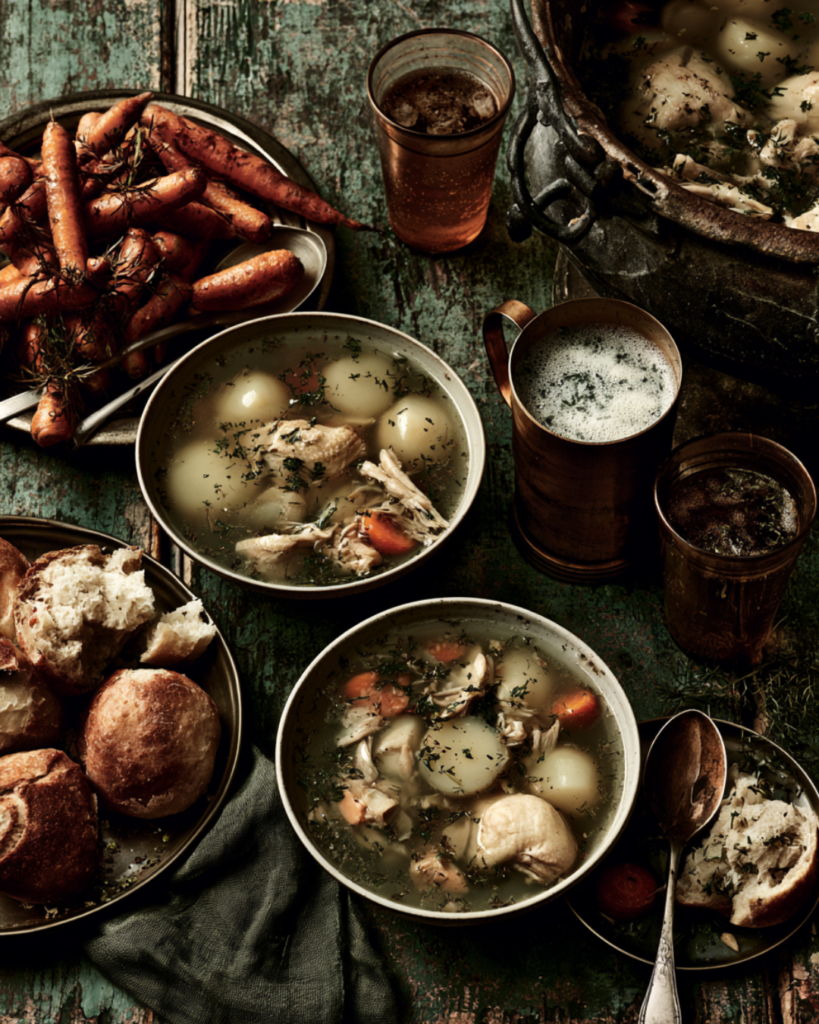
Ingredients — What to Buy and Why It Matters
Shared base for all three variations:
- Bone-in, skin-on chicken thighs (2 lbs) or a mix with breast: The bones contribute body to the broth that boneless cuts can’t provide — using at least some bone-in chicken is worth the minor extra effort of removing bones later.
- Yellow onion (1 large), carrots (3), and celery (3 stalks): The classic aromatic base — chop uniformly so everything cooks at the same rate.
- Garlic (4 cloves, minced): Added later than the other aromatics, since it burns quickly and turns bitter under prolonged heat.
- Chicken broth (8 cups, low sodium): Low sodium lets you build salt intentionally throughout cooking rather than starting from an already-salted base.
- Bay leaves (2) and fresh thyme (a few sprigs): The background aromatic layer that builds slowly through the simmer.
Classic variation additions: egg noodles (2 cups) and fresh parsley (a handful, chopped), plus a squeeze of lemon at the end.
Spicy Southwest variation additions: cumin (1 tsp), chili powder (1 tsp), a can of diced tomatoes (14 oz), lime juice (2 tbsp), and fresh cilantro to finish.
Ginger-turmeric variation additions: fresh ginger (2 tbsp, grated), ground turmeric (1 tsp), coconut milk (1 cup, full-fat), and a squeeze of lime at the end.
Substitution note: All-white-meat chicken breast works if that’s preferred, but the broth will taste noticeably thinner — consider adding a store-bought bone broth to compensate for the lost body.
Step-by-Step Instructions
Base method, adapted for each variation:
- Season the chicken with salt and pepper. Sear skin-side down in a hot pot with a little oil, 5-6 minutes, until deeply golden. This is the critical step here — the browned bits left in the pot are the foundation of everything that follows.
- Remove the chicken and set aside. Add the onion, carrots, and celery to the same pot, cooking 6-8 minutes until softened and lightly browned at the edges. What’s actually happening is the vegetables are picking up the fond left behind by the chicken, transferring that flavor directly into the base.
- Add the garlic and any variation-specific spices (cumin and chili powder for Southwest; ginger and turmeric for the other version), cooking 30-60 seconds until fragrant.
- Return the chicken to the pot and add the broth, bay leaves, and thyme. Bring to a simmer, then reduce heat and cook covered for 25-30 minutes, until the chicken is fully cooked and tender.
- Remove the chicken, shred the meat, and discard bones and skin. Return the shredded meat to the pot.
- Add variation-specific ingredients last: noodles for the classic version, simmered 8-10 minutes until tender; diced tomatoes for the Southwest version, simmered 5 minutes to meld; coconut milk for the ginger-turmeric version, added off high heat and warmed gently.
- Finish each variation with its acid — lemon for classic, lime for both Southwest and ginger-turmeric — stirred in just before serving. This is non-negotiable if you want the brightness that a soup simmered this long otherwise loses.
- Add fresh herbs at the very end, off heat, so they retain color and flavor rather than wilting into muddiness.
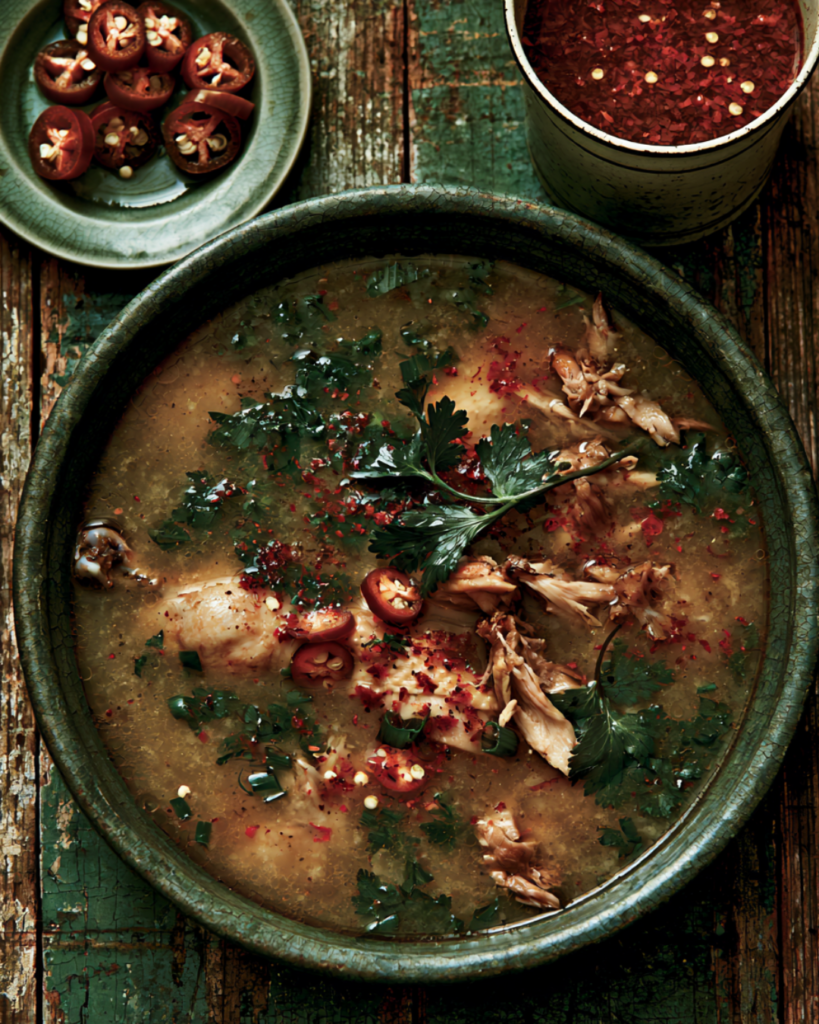
Technique Notes for Better Results
- The professional approach here is deglazing the pot with a splash of broth right after browning, scraping up every bit of fond before adding the rest of the liquid
- Where most home cooks go wrong is adding all the aromatics at once, which means delicate ones overcook while hardier ones remain undercooked at the same time
- If your finished soup still tastes flat, it’s very likely undersalted or underacidic, not underspiced — add a little of both before reaching for more of anything else
- Simmer gently, not at a rolling boil, throughout — a hard boil breaks down the vegetables prematurely and can make the chicken tough
- For deeper flavor with minimal extra effort, roast the bone-in chicken thighs in the oven for 15 minutes before searing, which builds even more browning than stovetop searing alone
- Taste at each stage, not just at the end — adjusting seasoning incrementally throughout cooking produces a more balanced result than one large correction at the finish
Plating and Serving
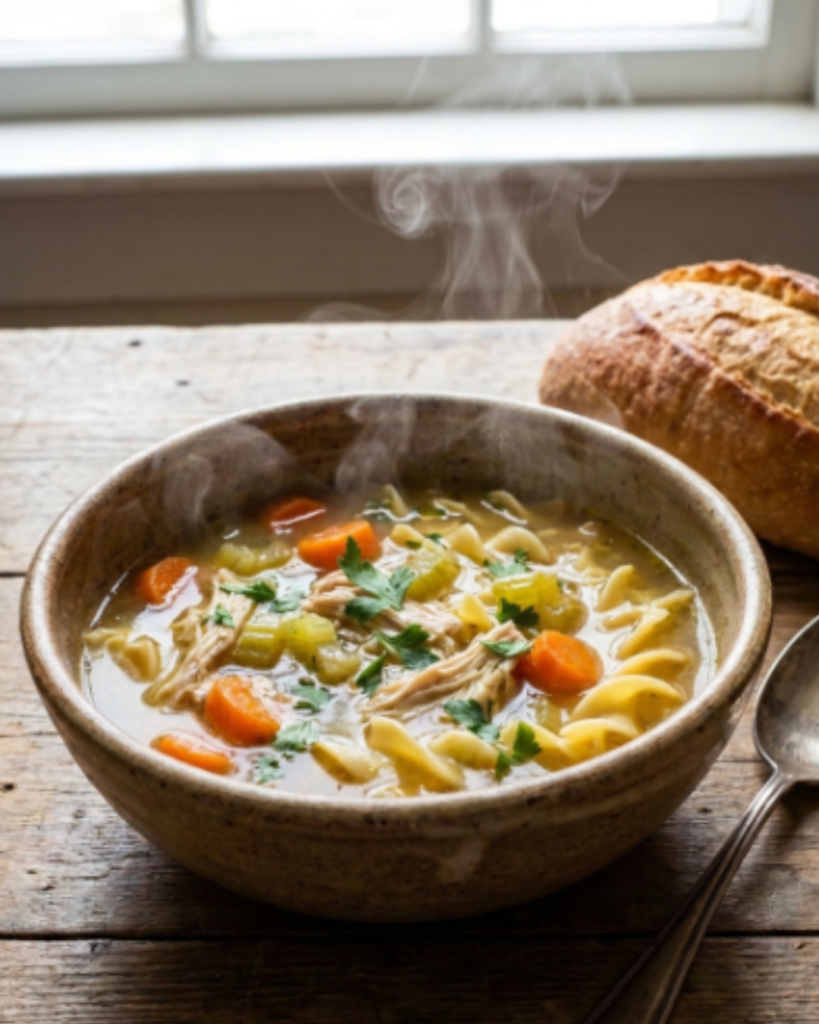
- Crusty bread on the side works for the classic version, scooping up broth between bites
- Warm tortillas or a scoop of rice complement the Southwest variation well
- Steamed jasmine rice pairs naturally with the ginger-turmeric version’s coconut base
- Garnish each bowl with its finishing herb just before serving, rather than stirring it in ahead of time, to preserve color and brightness
- A crisp white wine suits the classic version, a cold Mexican lager fits the Southwest variation, and a light beer or simply water works best alongside the spiced, coconut-based version
Nutritional Profile
Bone-in chicken thighs provide more iron and B vitamins than breast meat, along with gelatin from the bones that gives the broth natural body without added thickeners. The Southwest variation adds fiber and antioxidants from the tomatoes, while the ginger-turmeric version contributes anti-inflammatory compounds associated with both ginger and turmeric, alongside the added fat and richness of coconut milk. For a lighter version of any variation, using chicken breast instead of thighs cuts fat, though the broth will need a bit more seasoning to compensate for the reduced richness.
Common Questions, Answered Directly
Can I make these ahead? Yes, all three keep and often taste better the next day, once the flavors have had more time to meld — add noodles fresh when reheating the classic version, since they continue absorbing broth and can turn mushy if stored together.
How long does chicken soup keep? Up to 4 days refrigerated in a sealed container, or up to 3 months frozen, though the ginger-turmeric version’s coconut base may separate slightly on thawing and needs a good stir when reheated.
Why does my soup taste bland even with plenty of salt? You’re likely missing the acid finish or skipping the browning step — both contribute a type of depth that salt alone can’t replace.
Can I use a slow cooker instead? Yes, though sear the chicken and sauté the aromatics on the stovetop first regardless — skipping that step in favor of dumping everything into a slow cooker raw is exactly what leads to a flat-tasting broth.
Skip the bland bowl tonight — layered browning and a finishing splash of acid are what actually build flavor here.
About The Author