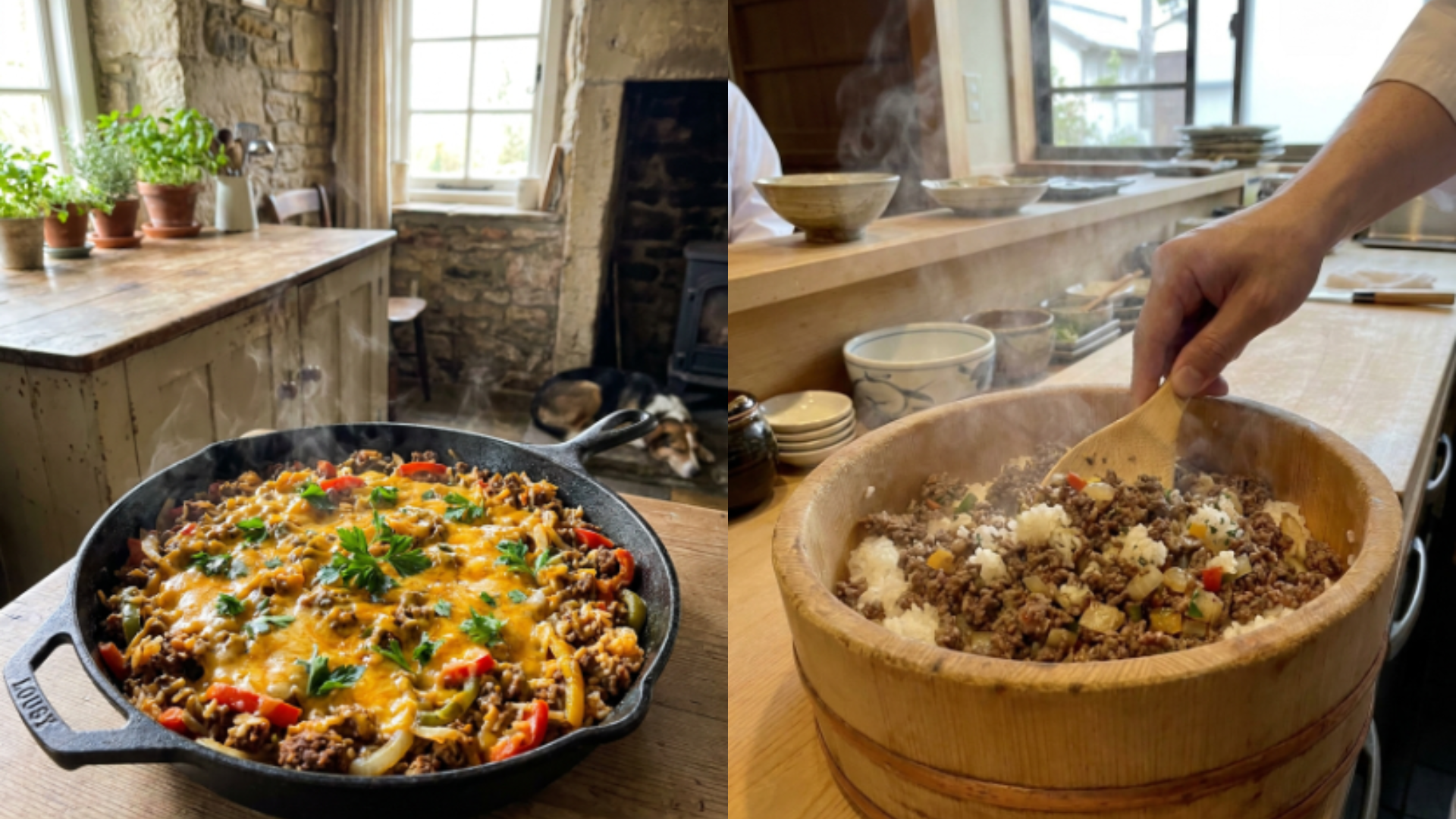
Most people overcook this. Here’s how not to. The difference between a flat, one-note ground beef and rice dish and a genuinely savory one comes down to one step: building flavor in stages as each component cooks, rather than combining raw beef, rice, and seasoning all at once and simmering until technically done.
Savory ground beef and rice recipes get labeled bland when the actual problem is sequencing — beef that’s never properly browned, rice that’s boiled rather than toasted, and seasoning added only once instead of throughout. A properly executed version treats each stage as an opportunity to add depth, not just to get everything cooked through.
Prep time: 15 minutes | Cook time: 30 minutes | Total time: 45 minutes | Servings: 6
Table of Contents
What Makes This Recipe Work
- Ground beef is browned hard before anything else joins the pan — this is intentional. A proper sear on the beef creates fond, the browned bits stuck to the pan, which becomes the foundation for flavor in every layer that follows
- Rice is toasted in the rendered beef fat before liquid is added — the science here is simple: toasting coats the grains in fat and browns them slightly, both of which add a nutty depth that plain boiled rice never develops
- Seasoning is built in layers, not added once at the end — most recipes skip this, adding all the salt and spice in one shot, when spreading seasoning across multiple cooking stages produces a more rounded, less flat flavor overall
- A splash of acid finishes the dish — a small amount of vinegar or lime juice at the very end brightens every other flavor in the pot without requiring more salt to compensate
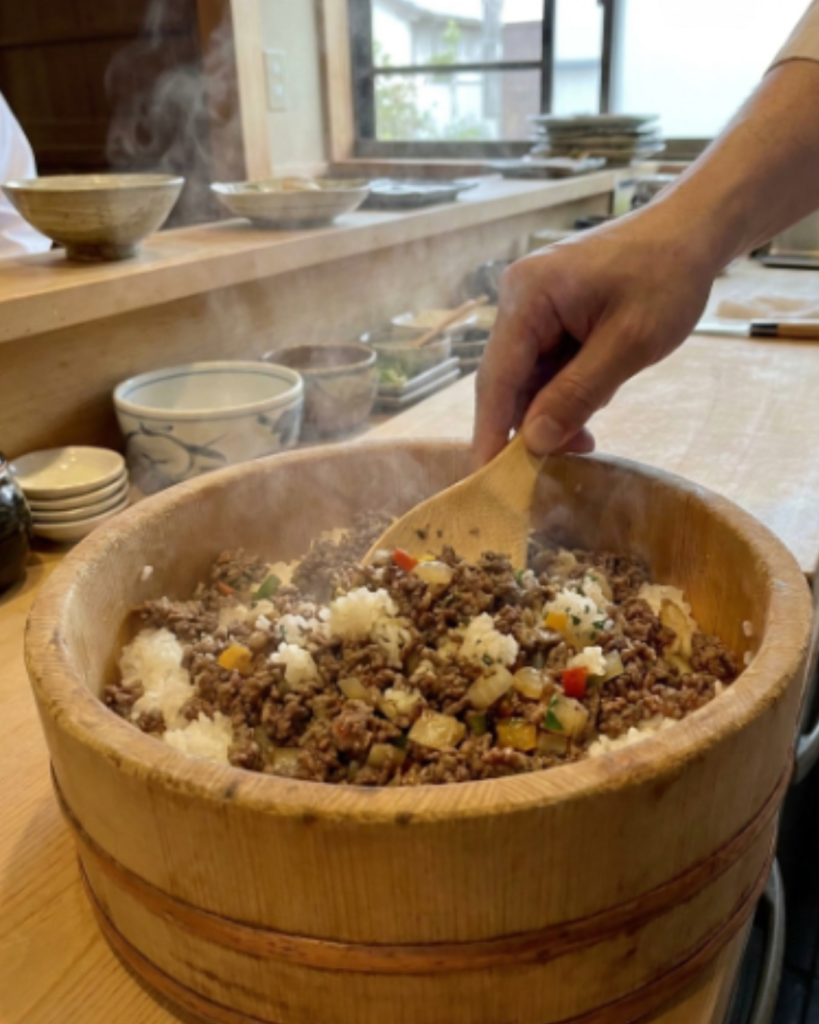
Ingredients — What to Buy and Why It Matters
- Ground beef (1.5 lbs, 85/15): The fat content matters here — leaner beef won’t render enough fat to properly toast the rice afterward, which is a key step in avoiding blandness.
- Long-grain white rice (1.5 cups), rinsed: Rinsing removes surface starch, helping the grains stay distinct rather than clumping once cooked in the beef fat and broth.
- Yellow onion (1 medium, diced) and bell pepper (1, diced): Cooked directly in the rendered beef fat, both pick up flavor from the fond left behind by the browned meat.
- Garlic (3 cloves, minced): Added after the vegetables have softened, since garlic burns quickly and turns bitter if added too early.
- Beef broth (2 1/2 cups, low sodium): Low sodium lets you build salt intentionally throughout cooking, rather than starting from an already-salted base.
- Tomato paste (2 tbsp) and Worcestershire sauce (1 tbsp): Both add concentrated umami depth that plain seasoning alone can’t replicate — this is often the missing layer in a bland-tasting version.
- Cumin, smoked paprika, and chili powder (1 tsp each): A warm, well-rounded spice blend added at multiple points during cooking, rather than dumped in all at once.
- Lime juice (1-2 tbsp), for finishing: Added at the very end, this brightens the entire dish without needing additional salt.
Substitution note: Ground turkey can replace beef for a leaner version, though add a tablespoon of oil when browning, since turkey won’t render enough fat on its own to properly toast the rice afterward.
Step-by-Step Instructions
- Heat a large, heavy pot or Dutch oven over medium-high heat. Add the ground beef, breaking it apart, and cook 6-7 minutes until deeply browned, not just cooked through. This is the critical step here — a hard, deep brown on the beef builds the fond that everything else in this dish depends on for flavor.
- Remove the beef with a slotted spoon, leaving the rendered fat behind. Add the onion and bell pepper to the same pot, cooking 4-5 minutes until softened. What’s actually happening is the vegetables are absorbing the browned bits left by the beef, transferring that flavor directly into the base of the dish.
- Add the garlic and half the spice blend, cooking 30-60 seconds until fragrant.
- Add the rinsed rice directly to the pot, stirring to coat every grain in the remaining fat. Toast for 2-3 minutes, stirring frequently, until the rice smells nutty and looks slightly golden at the edges. This step is non-negotiable if you want depth — boiling raw, untoasted rice directly in broth is one of the most common reasons this type of dish turns out flat.
- Stir in the tomato paste and Worcestershire sauce, coating the rice and vegetables evenly.
- Return the browned beef to the pot along with the beef broth and remaining spice blend. Bring to a boil, then reduce heat to low, cover, and simmer for 18-20 minutes, until the rice is tender and the liquid is absorbed.
- Remove from heat and let rest, covered, for 5 minutes.
- Stir in the lime juice just before serving. This final splash of acid is what ties every earlier layer of flavor together, brightening the dish without requiring more salt.
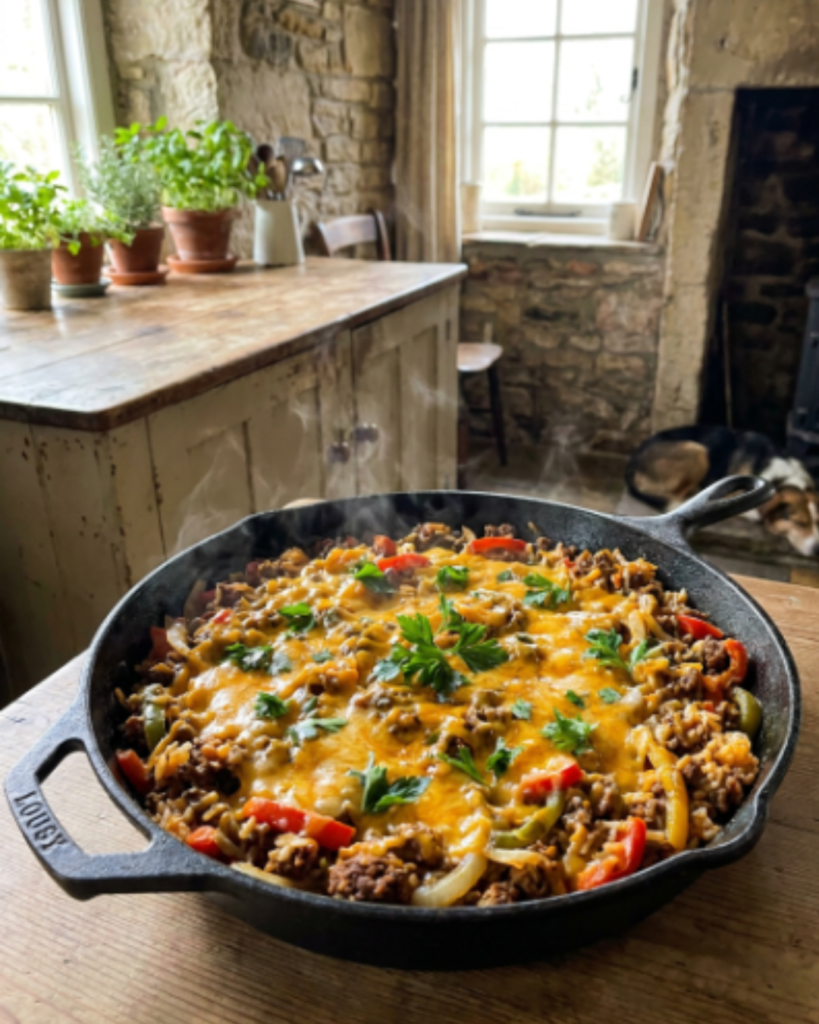
Technique Notes for Better Results
- The professional approach here is browning the beef hard enough to build real fond, not just cooking it until it’s no longer pink — that extra few minutes of browning is doing more flavor work than any amount of added spice
- Where most home cooks go wrong is adding raw rice directly to broth without toasting it first, skipping the step that gives the grains their nutty depth
- If your dish still tastes flat after following the recipe, check whether you added the finishing acid — a small amount of lime juice or vinegar at the end does more for perceived flavor than an equivalent amount of additional salt
- Taste and adjust seasoning at each stage, not just at the very end, since layering seasoning throughout cooking produces a more balanced result than one large correction at the finish
- Simmer at a genuine low heat once the lid goes on — a hard boil at this stage can scorch the rice at the bottom before the top finishes cooking
- For an even deeper flavor, deglaze the pot with a splash of broth right after browning the beef, scraping up every bit of fond before adding the vegetables
Plating and Serving
- Top with shredded cheese and a dollop of sour cream for a heartier, more indulgent presentation
- A simple side salad with a sharp vinaigrette balances the richness of the beef and rice
- Warm tortillas on the side turn this into a more casual, hands-on meal
- Garnish with fresh cilantro and a wedge of lime for both color and a final layer of brightness
- A cold Mexican lager or a lime-forward agua fresca both work well, echoing the citrus already in the dish
Nutritional Profile
Ground beef provides iron, zinc, and protein, along with meaningful fat content that also plays a functional role here in properly toasting the rice. Bell peppers add vitamin C and a bit of fiber, holding up reasonably well through the simmer. For a lighter version, ground turkey reduces overall fat, though it needs added oil to replicate the toasting step this recipe depends on for flavor. Using brown rice instead of white adds fiber, though it requires more liquid and a longer simmer time to fully cook through.
Common Questions, Answered Directly
Can I make this ahead? Yes, and it often tastes better the next day once the flavors have had time to meld further — reheat gently with a splash of broth to loosen the rice if it’s thickened in the fridge.
Why does my version always taste bland despite following a similar recipe? The most likely causes are skipping the rice toasting step or adding all the seasoning at once instead of layering it throughout cooking — both significantly affect the final depth of flavor.
How long does this keep? Up to 4 days refrigerated in a sealed container, reheated gently on the stove or in the microwave with a splash of added liquid.
Can I freeze this dish? Yes, up to 3 months in a sealed container, though the rice texture softens somewhat upon thawing and reheating compared to freshly made.
Skip the bland bowl tonight — browning the beef properly and toasting the rice are what actually build the flavor this dish is missing.