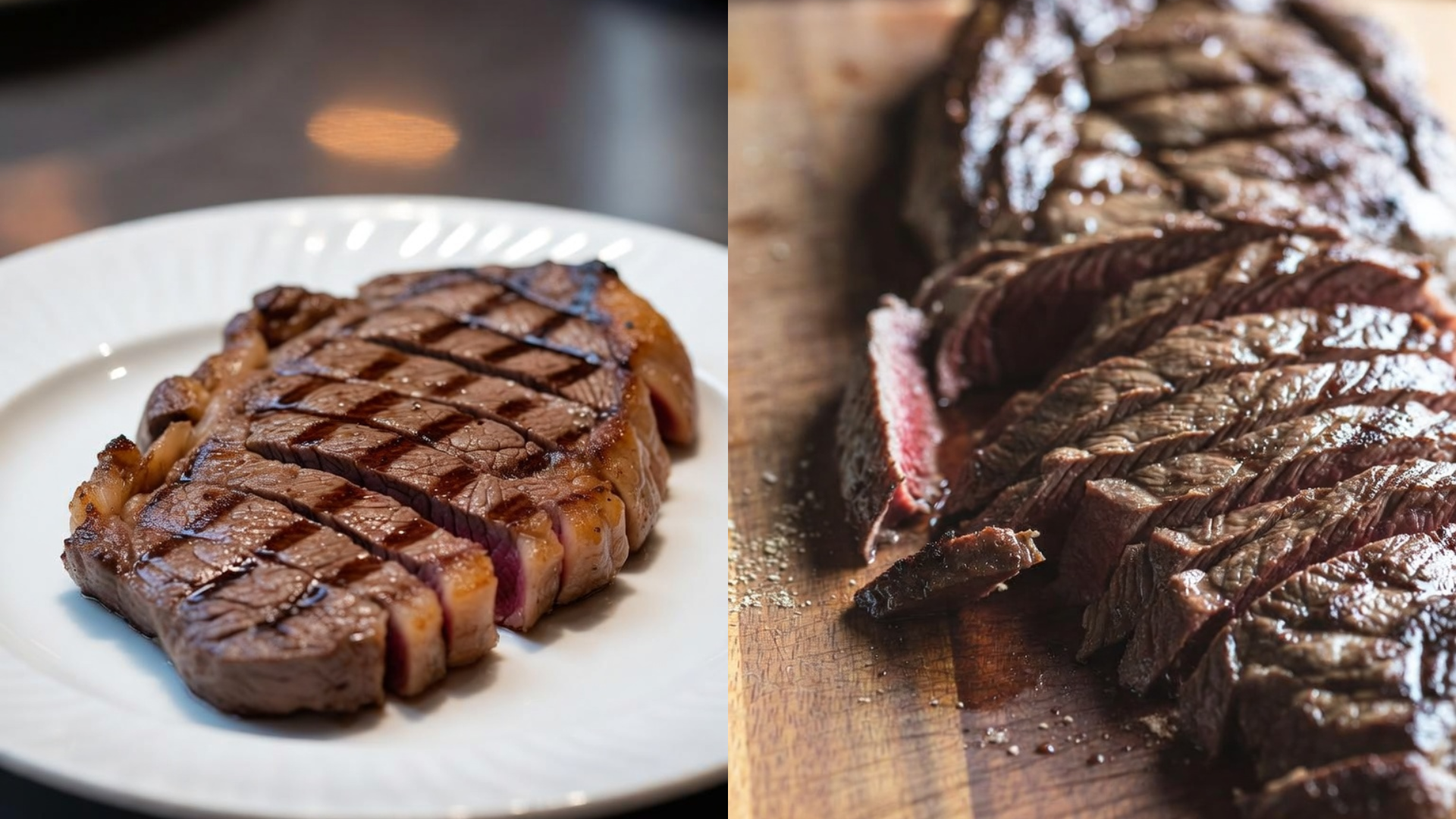
Round steak is cheap for a reason. It is lean, dense, and unforgiving. Cook it like a ribeye and it turns to leather.
The trick is not fighting the cut but working with it. These juicy beef round steak recipes you need to try tonight rely on two proven paths: a fast, hot sear on thin-sliced steak, or a low, slow braise that melts the toughness away. Both give you a tender result. Neither asks for an expensive cut. What sets a good version apart is understanding that round steak has almost no fat and a lot of connective tissue — so you either cook it quick and slice it thin against the grain, or cook it long and let it break down. The middle ground is where it goes wrong.
Table of Contents
What Makes It Worth Making
- It is inexpensive. Round steak costs a fraction of a premium cut.
- Slicing against the grain does most of the work. It shortens the fibers and makes lean meat tender.
- Two methods, one cut. Sear it fast or braise it slow — both deliver.
- It takes marinade well. Lean meat has room to absorb flavor a fatty cut doesn’t.
Prep time: 15 minutes (plus marinating) · Cook time: 10 minutes seared, or 90 minutes braised · Total time: varies by method · Servings: 4

The Ingredients
- 1.5 lb beef round steak (top or bottom round): The cut. Lean, firm, and full of connective tissue. Top round is a touch more tender; bottom round is better braised. Slice thin for searing, leave whole for braising.
- Salt and pepper: The base seasoning. Salt ahead to season deeper into the lean meat.
- For the marinade — 3 tbsp soy sauce, 1 tbsp vinegar or lemon, 2 cloves garlic, 1 tsp oil: The acid tenderizes; the soy seasons. Lean meat absorbs it well.
- 2 tbsp neutral oil: For a high-heat sear. A high smoke point is essential.
- For braising — 1 onion, 2 cups beef broth, 2 tbsp tomato paste: The braising liquid and aromatics. They build the sauce as the meat softens.
- Cornstarch, optional: To thicken a braise into gravy.
Substitutions: Flank or skirt steak swaps in for the seared version with the same thin-slice rule. Any tough cut — chuck, blade — works for the braise. Tamari keeps the marinade gluten-free.
How to Make It
For the fast sear:
- Marinate. Slice the steak thin against the grain, 1/4 inch, and marinate 30 minutes to 2 hours. The acid loosens the muscle fibers. Longer than a few hours and the texture turns mushy.
- Dry the meat. Pat the slices dry before cooking. Wet meat steams instead of searing. This step is easy to skip. Don’t.
- Sear hot and fast. Heat the oil in a skillet until it just smokes. Add the meat in a single layer, not crowded, and sear 1 to 2 minutes per side. Thin slices cook in seconds — pull them while still pink inside.
- Rest and serve. Rest a few minutes. The slices are already cut, so serve straight away.
For the slow braise:
- Sear the whole steak. Pat dry, season, and brown hard on both sides in oil, about 4 minutes a side. The fond is the flavor base.
- Build the liquid. Remove the meat, soften the onion, stir in the tomato paste, and pour in the broth, scraping up the browned bits.
- Braise low. Return the steak, cover, and simmer gently at 325°F or on the stovetop for 75 to 90 minutes, until fork-tender. Low and slow is what melts the connective tissue.
- Thicken, if you like. Reduce the liquid or stir in a cornstarch slurry for gravy. Slice against the grain to serve.

A Few Things Worth Knowing
- Against the grain is not optional. Find the direction of the muscle fibers and cut perpendicular to them. This single cut does more for tenderness than anything else.
- Don’t cook it medium-well seared. Thin round steak dries out fast. Pull it at medium-rare to medium and let it rest.
- The braise is better the next day. The flavors deepen and the meat stays tender. Make it ahead if you can.
- Acid tenderizes, but only to a point. A few hours of marinade helps; overnight in a strong acid turns the surface mushy.
- Slice thin, always. Thick round steak eats tough no matter how well you cook it. Thin is the whole game.
- Rest the braise before slicing. Ten minutes lets the juices settle back into the meat.
How to Serve It
Seared: pile the slices over rice, into tacos, or on a sandwich. The thin cut suits anything handheld.
Braised: serve over mashed potatoes, egg noodles, or polenta to catch the gravy.
A sharp, acidic side cuts the richness either way — pickled onions, a green salad, quick slaw.
Presentation is about the slice. Fan the meat to show the clean cross-cut against the grain.
For drink: a medium red like Malbec for the braise, a cold lager for the seared version.
Worth Noting Nutritionally
Round steak is one of the leanest beef cuts — high in protein, iron, and zinc, low in fat. That leanness is exactly why it needs careful cooking.
Naturally low in carbohydrates. Gluten-free if you use tamari in place of soy sauce.
For lower sodium, cut the soy in the marinade and season with pepper and garlic instead. For a lighter braise, skim the fat before serving.

A Few Questions
Why is my round steak tough? Either you overcooked a seared slice or undercooked a braise. Round steak has no middle setting — cook it fast and slice thin against the grain, or braise it long enough for the connective tissue to break down. The gray zone between the two is where it goes chewy.
Do I have to marinate it? For the seared version, it helps — the acid tenderizes lean meat and adds flavor it otherwise lacks. For the braise, skip it; the long cook does the tenderizing. Thirty minutes to two hours is the useful window for marinating.
How do I store and reheat it? The braise keeps three to four days refrigerated and improves overnight; reheat gently on the stove. Seared slices are best fresh but reheat quickly in a hot pan — don’t microwave them, or they toughen.
Can I use this cut for stir-fry? Yes. Thin-sliced round steak, marinated and seared hot and fast, is well suited to stir-fry. Just keep the slices thin, the pan hot, and the cooking brief.
Slice it thin, respect the grain, and pick your method — round steak rewards a little know-how.