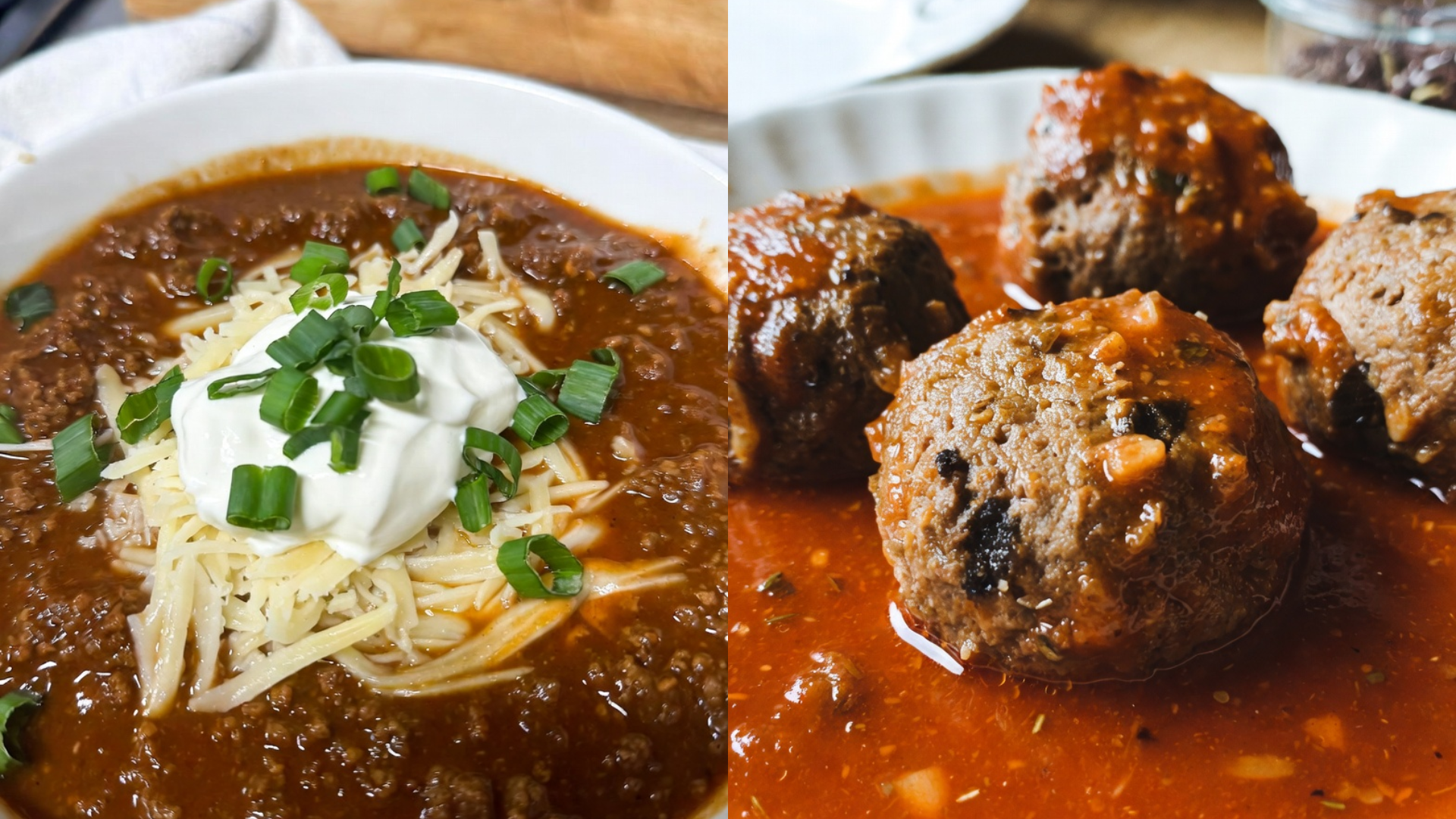
Most people overcook this. Here’s how not to. The difference between dry, gamey ground venison and a genuinely savory version comes down to one step: compensating for venison’s naturally lean composition before it ever hits the heat, rather than cooking it exactly like ground beef and wondering why it turned out tough.
Savory ground deer meat recipes fail most often because venison carries almost no fat compared to beef, and that missing fat is exactly what keeps ground beef moist and forgiving. A properly executed version adds fat back deliberately and avoids the high, prolonged heat that dries out lean game meat fast.
Prep time: 15 minutes | Cook time: 25 minutes | Total time: 40 minutes | Servings: 4
Table of Contents
What Makes This Recipe Work
- Fat is added directly to the ground venison, not assumed to be present — this is intentional. Venison typically runs at 90-95% lean, well below the 80/20 ratio that keeps ground beef moist, so compensating with added fat is essential, not optional
- The meat is cooked over medium heat, not high — the science here is simple: venison’s minimal fat content means it has almost no buffer against overcooking, and high heat races past the point of doneness before you can react
- Aromatics and moisture-rich additions are built into the dish, not garnished on top — most recipes skip this, but ingredients like onion, garlic, and a splash of broth cooked directly into the meat compensate structurally for what venison lacks
- The meat is pulled from heat the moment it’s no longer pink, not browned further for appearance — venison continues cooking from residual heat, and chasing a deeper brown after that point is what dries it out unnecessarily
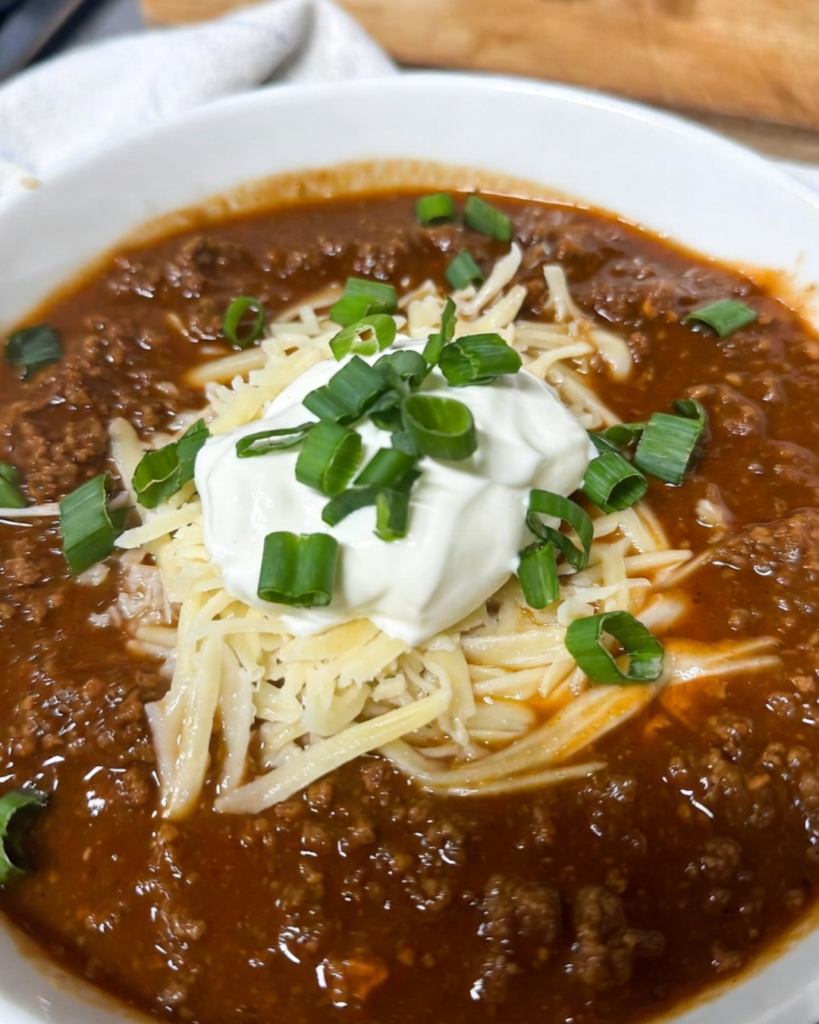
Ingredients — What to Buy and Why It Matters
- Ground venison (1.5 lbs): The lean base of the dish — because of its minimal fat content, this recipe depends on the added fat below to stay moist through cooking.
- Bacon fat, butter, or beef tallow (3 tbsp): Added directly into the pan alongside the venison, this compensates for the fat venison naturally lacks — do not substitute a low-fat cooking spray, which won’t provide the same moisture buffer.
- Yellow onion (1 medium, finely diced) and garlic (3 cloves, minced): Cooked into the meat rather than served raw on top, both add moisture and flavor that help offset venison’s leanness.
- Worcestershire sauce (2 tbsp): Adds umami depth that complements venison’s naturally gamey flavor rather than masking it.
- Beef broth (1/4 cup): A small amount of added liquid keeps the meat from drying out as it finishes cooking, particularly useful in dishes with a longer cook time.
- Smoked paprika and dried thyme (1 tsp each): These round out venison’s flavor profile without overpowering it — fresh thyme can replace dried at three times the amount if preferred.
Substitution note: Ground venison can be blended 50/50 with regular ground beef for a milder flavor and a more forgiving fat content, useful for anyone new to cooking game meat.
Step-by-Step Instructions
- Melt the bacon fat, butter, or tallow in a large skillet over medium heat. Add the diced onion and cook 4-5 minutes until softened. This is the critical step here — building fat and aromatics into the base before the venison goes in gives the lean meat something to cook alongside rather than cooking dry and alone.
- Add the garlic and cook 30 seconds more, until fragrant.
- Add the ground venison to the pan, breaking it apart with a spatula. Cook over medium heat, stirring occasionally, for 6-8 minutes. What’s actually happening is the venison is absorbing some of the rendered fat and aromatics as it cooks, which helps offset its natural leanness.
- Add the Worcestershire sauce, beef broth, smoked paprika, and thyme. Stir to combine evenly throughout the meat.
- Continue cooking for 3-5 minutes more, just until the venison is no longer pink. This is non-negotiable — venison has almost no fat buffer, so continuing to cook it further in search of a deeper brown is exactly what leads to a dry, tough result.
- Remove from heat immediately once done. Residual heat in the pan continues cooking the meat slightly even after the burner is off, so pulling it promptly matters more with venison than with fattier ground meats.
- Season with salt and pepper to taste, adjusting gradually since the Worcestershire sauce already contributes some saltiness.
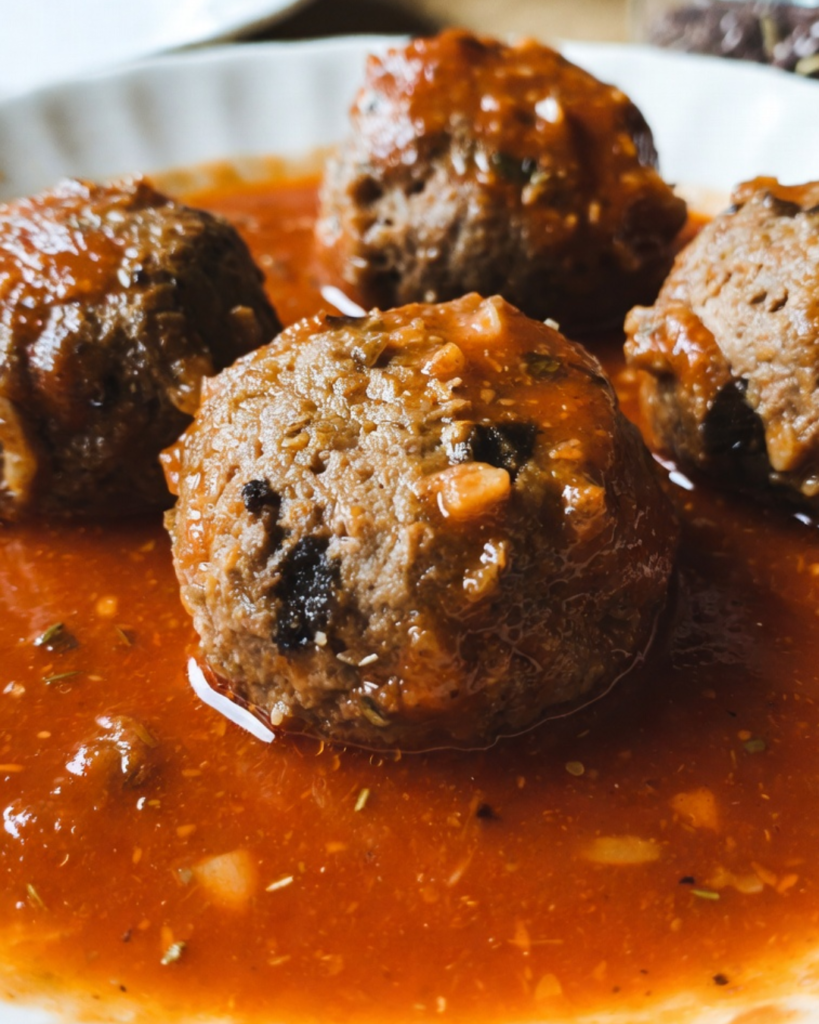
Technique Notes for Better Results
- The professional approach here is treating fat as an ingredient to add deliberately, not something venison already has enough of — this single adjustment prevents more dryness than any other technique
- Where most home cooks go wrong is applying the same high-heat, extended-browning approach used for ground beef, which overcooks venison well past the point of no return before it even looks fully done
- If your venison consistently turns out tough, check your fat ratio first — venison this lean genuinely needs more added fat than most recipes initially assume
- A splash of broth or wine added partway through cooking isn’t just flavor — it’s actively working to keep the meat from drying out during the final stretch of cooking
- For ground venison with a stronger gamey flavor, soaking it briefly in milk before cooking can mellow that intensity, though this step is optional depending on personal preference
- Avoid draining the pan after cooking, since much of the added fat and flavor lives in that liquid — stir it back through the meat instead
Plating and Serving
- Serve over mashed potatoes, which soak up the flavorful pan liquid effectively
- A simple sautéed green like spinach or kale adds a fresh, slightly bitter contrast to the richness of the dish
- Crusty bread on the side works for scraping up any remaining pan sauce
- Spoon a little of the reserved pan liquid over the top just before serving for shine and added moisture
- A medium-bodied red wine like Malbec or a dark, malty beer both complement venison’s naturally rich, gamey flavor
Nutritional Profile
Ground venison is naturally very lean, offering more protein and less fat per serving than most ground beef, along with a notably higher iron content typical of game meats. The added fat in this recipe brings back some richness for texture and moisture, though the overall dish still runs leaner than a comparable beef-based recipe. For an even leaner version, reducing the added fat by half works, though expect a noticeably drier texture as a direct trade-off. The onion, garlic, and broth all contribute modest nutritional value beyond the meat itself, alongside their structural role in keeping the dish moist.
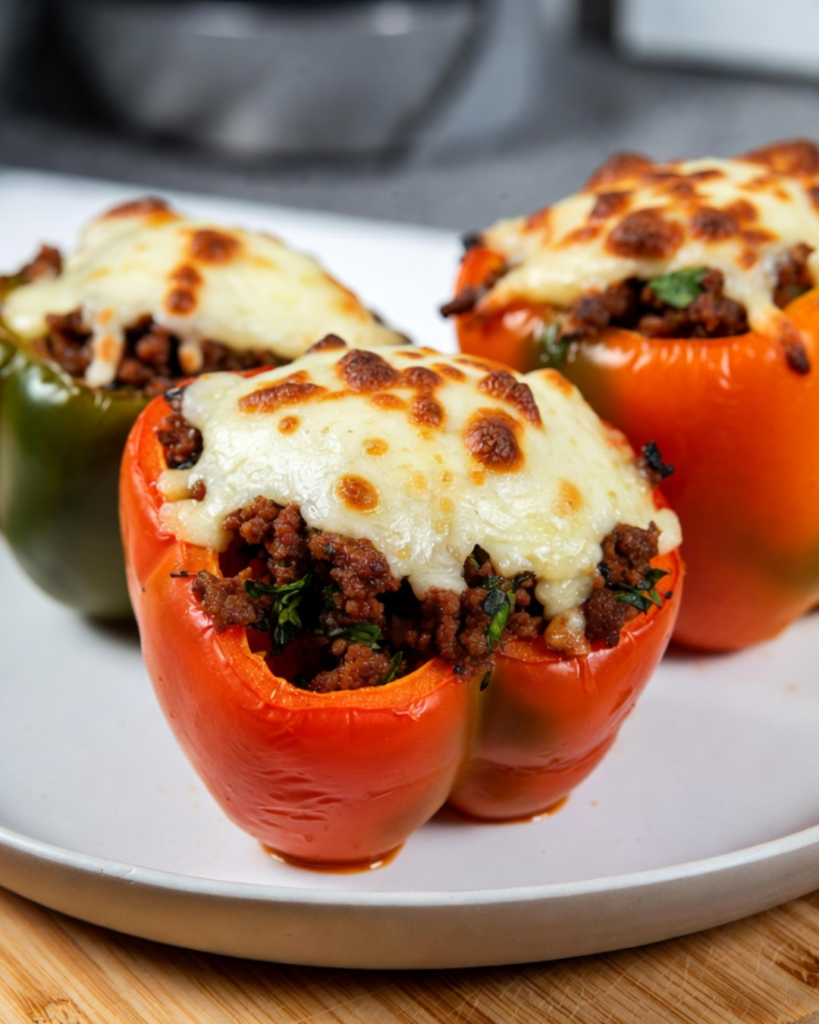
Common Questions, Answered Directly
Why does my ground venison always turn out tough? Almost certainly overcooking, compounded by too little added fat. Venison’s minimal natural fat means it needs both gentler heat and deliberate fat added to stay tender.
Can I substitute ground beef in this recipe? Yes, though reduce or omit the added fat, since beef typically already carries enough on its own, and adjust cook time slightly since beef tolerates more heat before drying out.
How long does cooked ground venison keep? Up to 4 days refrigerated in a sealed container; reheat gently over low heat to avoid drying it out further on the second pass.
Can I freeze ground venison dishes? Yes, up to 3 months in a sealed container. Thaw overnight in the refrigerator and reheat gently rather than on high heat, which risks toughening the meat further.
Skip the dry, gamey result tonight — proper fat and a gentle hand with the heat are what actually make ground venison worth cooking.
About The Author