
Most people overmix lump crab meat, shredding those beautiful large pieces into paste, then wonder where the luxury went. The single most important rule with lump crab is a light hand: fold, never stir, and let the crab stay in whole, intact chunks. That restraint is the difference between a muddy crab mixture and the best lump crab meat recipes you’ll actually make again. Lump crab is prized for its large, sweet pieces and clean, briny flavor, and it costs enough that treating it carelessly is a genuine waste. Handle it right and it delivers restaurant-quality results at home, whether in a crab cake that’s mostly crab or a simple, elegant appetizer.
Table of Contents
What Makes This Recipe Work
- Gentle folding preserves the lumps. The science here is simple: the value of lump crab is in its large, intact pieces, and aggressive mixing breaks them into shreds. Folding keeps the texture that makes the dish special. Most recipes stir far too hard.
- Minimal binder lets the crab lead. The best crab cakes are mostly crab with just enough binder to hold together. Too much filler is the number one crime against good crab. This restraint is intentional.
- Chilling helps it hold. Resting the mixture before cooking lets the binder set, so delicate crab cakes don’t fall apart in the pan. This step is quietly essential.
- Pick through for shells, gently. Even good crab meat hides bits of shell, and picking through carefully protects both the eater and the intact lumps.
Prep time: 15 minutes · Cook time: 10 minutes · Total time: 25 minutes (plus chilling) · Servings: 4
Ingredients — What to Buy and Why It Matters
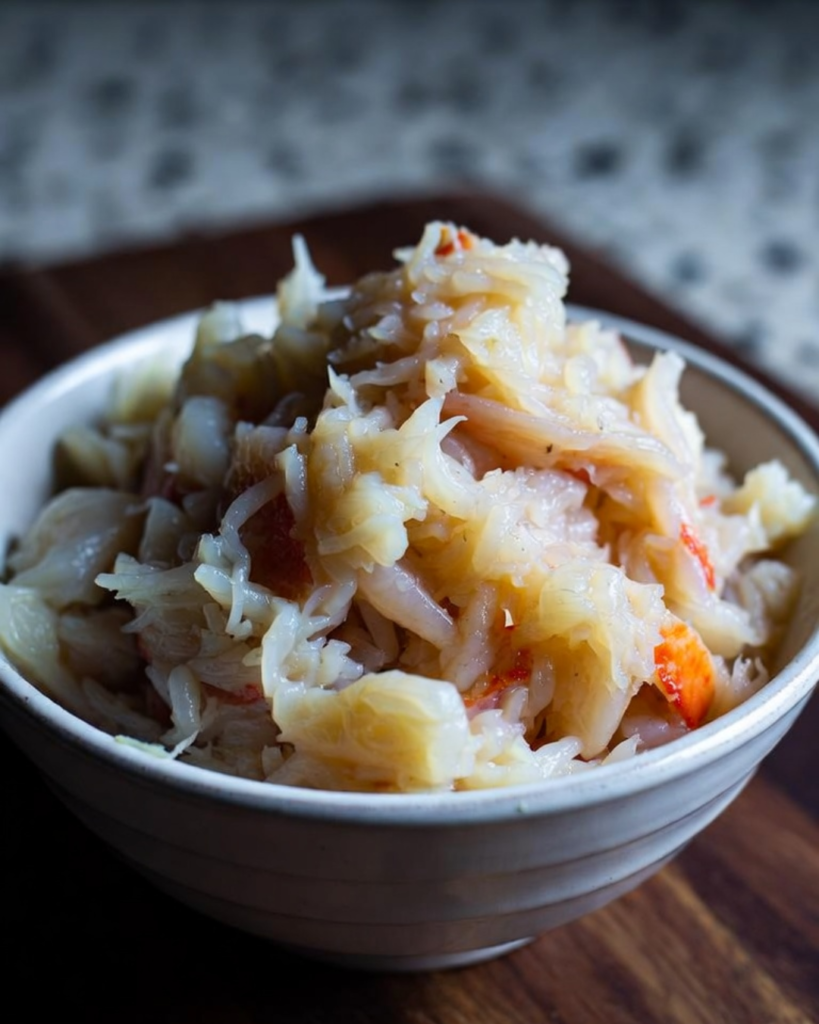
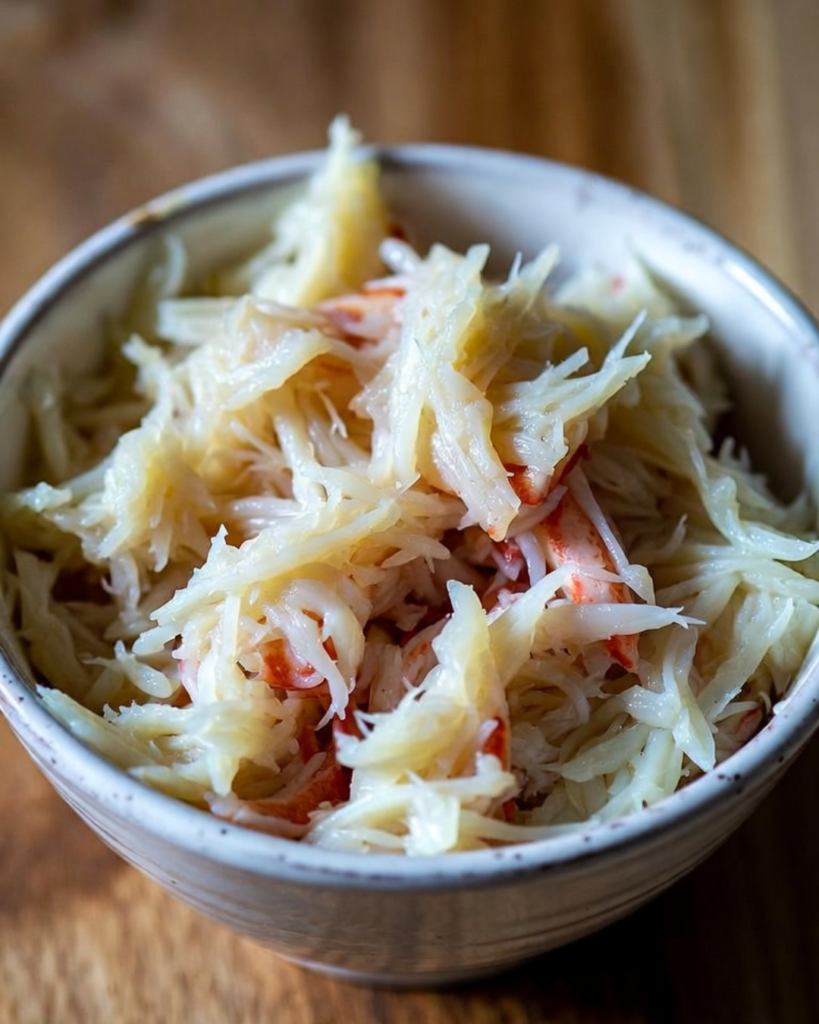
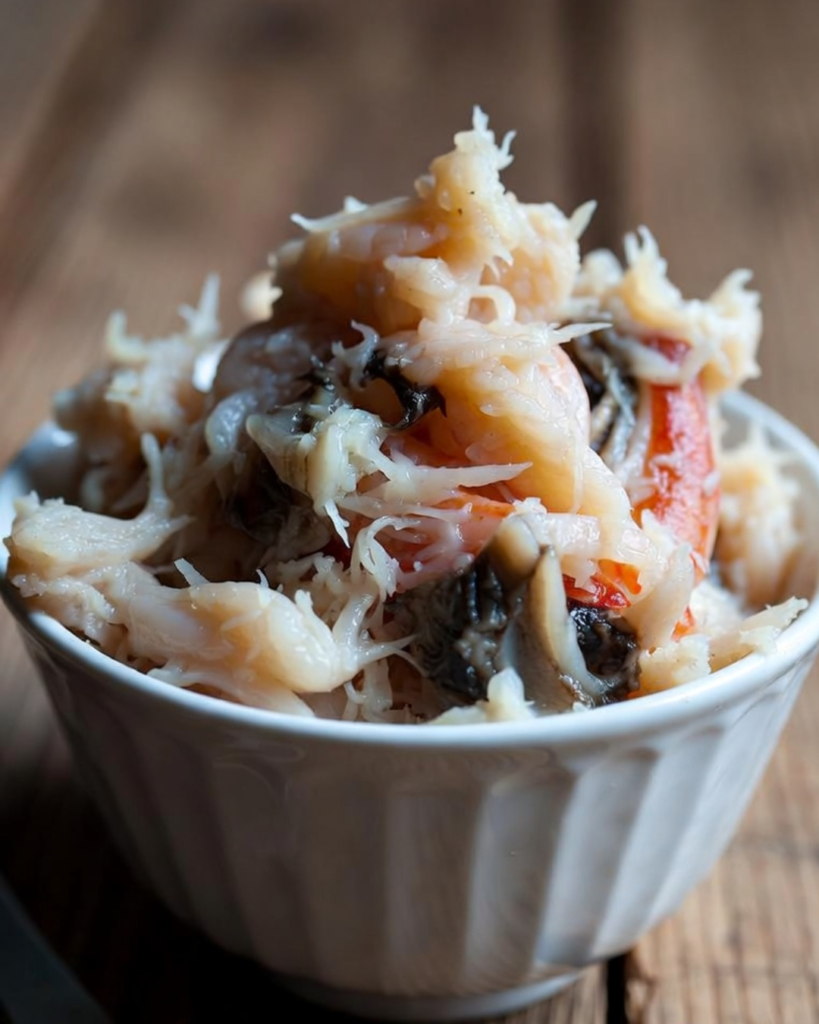
- 1 lb fresh lump or jumbo lump crab meat: The star, and worth buying well. Refrigerated fresh crab in the tub beats canned shelf-stable for sweetness and texture. Jumbo lump gives the largest pieces; do not buy claw meat for these recipes, as it’s stringier and stronger-flavored.
- 1 large egg + 2 tbsp mayonnaise: The binder that holds a crab cake together. Just enough to bind — this is the minimum, not a base. More would bury the crab.
- 2 tbsp panko breadcrumbs: A light binder that absorbs moisture without weighing the crab down. Use sparingly; too much and you’re eating breading, not crab.
- 1 tsp Dijon mustard + 1 tsp Old Bay seasoning: The classic crab seasonings that lift without overpowering. Old Bay is traditional for a reason.
- 1 tbsp fresh lemon juice + 1 tbsp chopped parsley: Bright acid and freshness that complement the sweet crab.
- 2 tbsp butter + 1 tbsp neutral oil (for cooking): The oil raises the butter’s smoke point so you get a golden crust without burning.
Substitution notes: Jumbo lump makes the most luxurious result; regular lump is more economical and still excellent. Canned crab works in a pinch but drain it very well and expect a softer texture. For gluten-free, swap the panko for crushed gluten-free crackers or almond flour.
Step-by-Step Instructions
- Pick through the crab. Spread the crab on a tray and gently feel through it for shell fragments, keeping the lumps whole. What’s actually happening is you’re protecting both the texture and the person eating it, without shredding the meat.
- Make the binder separately. In a bowl, whisk the egg, mayonnaise, Dijon, Old Bay, lemon juice, and parsley into a smooth mixture. Mixing the binder before the crab goes in means you barely have to handle the crab at all.
- Fold, don’t stir. Add the crab and panko to the binder and fold gently with a spatula just until combined. The critical step here is a light hand — fold only until it holds, stopping while the lumps are still intact.
- Chill the mixture. Refrigerate for 20–30 minutes. This lets the binder set so the cakes hold together in the pan. Skipping this is why crab cakes fall apart.
- Form gently. Shape into loose patties without compacting them. Packing them tight makes them dense; a gentle shape keeps them tender.
- Cook to golden. Heat the butter and oil over medium-high and cook the cakes 3–4 minutes per side until deeply golden and heated through. Undisturbed cooking builds the crust that holds them together.
- Serve immediately with lemon. A squeeze of fresh lemon at the table brightens the sweet, rich crab.
Technique Notes for Better Results
- Where most home cooks go wrong: too much binder. Loading in filler stretches the crab but ruins it. Use the minimum that holds, and let the crab be the star.
- The professional approach here is to fold, never stir. Treat the crab like you’re trying not to break it, because you are. Whole lumps are the entire point of buying lump crab.
- Chill before cooking. A rested mixture holds together far better in the pan. This simple step prevents the heartbreak of a cake that crumbles.
- Don’t flip too early. Let a real crust form before turning; a set golden crust is what holds a delicate cake together. This elevates it from good to precise.
- Season the binder, not the crab. Mixing seasoning into the binder first means even flavor without extra handling of the delicate meat.
- Serve them hot and fresh. Crab cakes are best straight from the pan, when the crust is crisp and the interior is just set.
Plating and Serving
- Plate crust-up on a clean plate so the golden sear shows, with a lemon wedge alongside — simple presentation suits luxury ingredients.
- Pair with bright, acidic sides — a crisp green salad or a fennel slaw cuts the richness and complements the sweet crab.
- Add a light sauce, like a lemon aioli or remoulade, served underneath or on the side rather than over the top, so the crab stays the focus.
- Beverage: A crisp, unoaked Chardonnay or a dry sparkling wine mirrors the sweet, briny crab; sparkling water with lemon keeps a non-alcoholic pairing clean and elegant.
Nutritional Profile
Lump crab meat is a lean, high-protein food, rich in vitamin B12, zinc, and selenium, with very little fat and no carbohydrates. It delivers real nutrition and luxury together, and prepared simply with minimal binder, it’s a genuinely light and elegant protein.
For lower calorie, serve the crab simply warmed with lemon and herbs rather than as a fried cake, letting its natural sweetness shine. For gluten-free, almond flour or gluten-free crackers replace the panko cleanly. For higher protein and lower carb, skip the breadcrumb binder and use a little extra egg to hold the mixture, accepting a more delicate cake.
Common Questions, Answered Directly
How do I keep my crab cakes from falling apart? Chill the mixture before cooking, don’t overload with binder, and let a golden crust form before flipping. A set crust holds them together.
What kind of crab meat is best? Fresh jumbo lump for the largest, sweetest pieces. Refrigerated tub crab beats canned; avoid claw meat for these recipes, as it’s stringier and stronger.
How do I keep the lumps intact? Fold gently instead of stirring, and mix the seasoning into the binder before adding the crab so you handle the meat as little as possible.
Can I make them ahead? Yes — form the cakes and refrigerate up to a day before cooking, which actually helps them hold together. Cook them fresh just before serving.
Buy good jumbo lump, fold instead of stir, and chill before cooking — that’s the whole secret. Pick up a tub of fresh crab and make something you’ll come back to again and again.