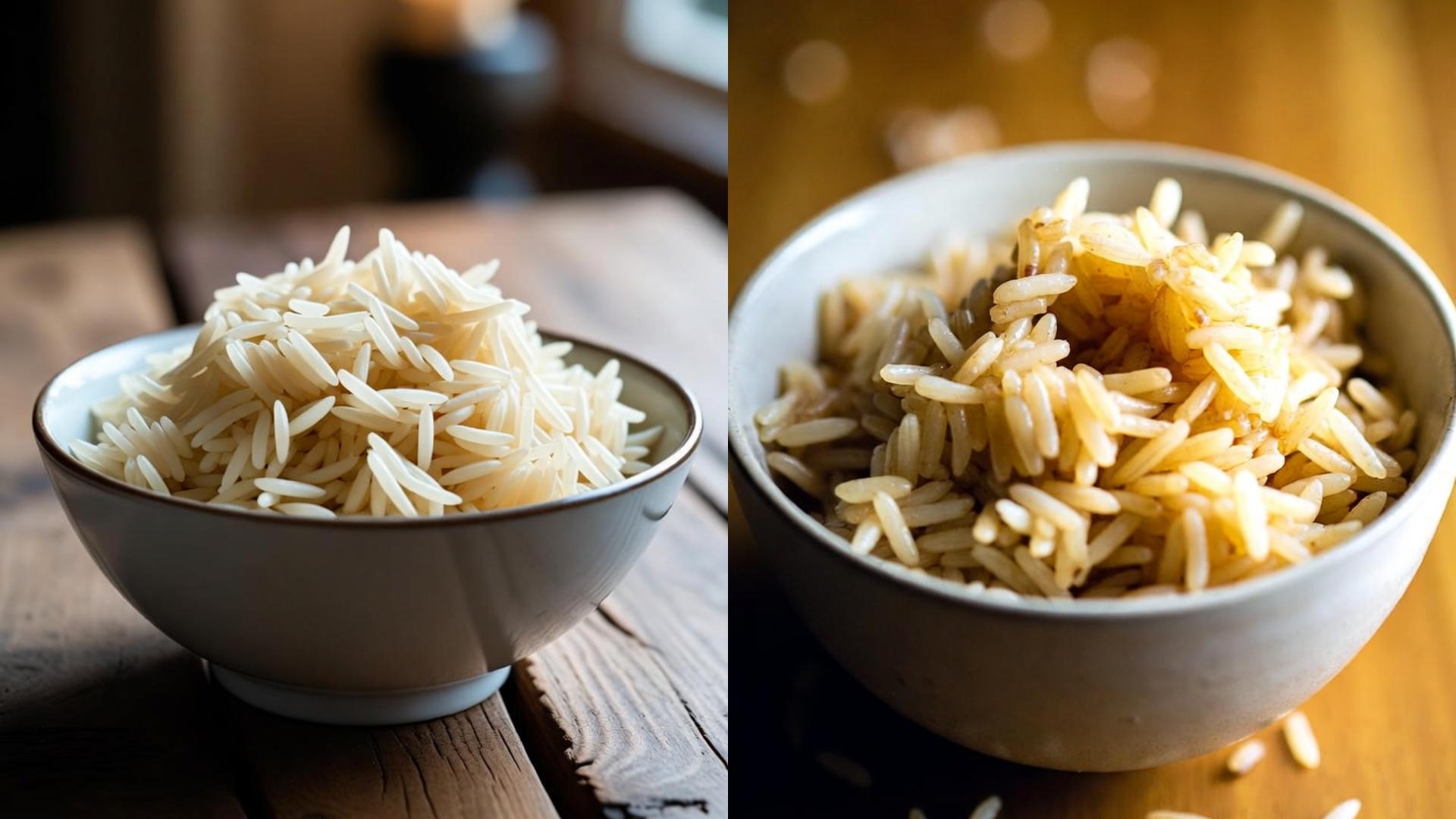
Most people make gummy, sticky rice and blame the rice. The real culprit is almost always surface starch and the wrong water ratio. The difference between a clumpy pot and light, separate grains comes down to two controls: rinsing the starch off before cooking and measuring the water precisely. These easy white rice recipes work because they respect what’s actually happening in the pot — starch gelatinizing, water absorbing, steam finishing the grain. Get the rinse and the ratio right, leave the lid alone, and you get perfect fluffy white rice tonight without a rice cooker or any guesswork.
Table of Contents
What Makes This Recipe Work
- Rinsing removes the starch that causes clumping. The science here is simple: milled rice is coated in loose surface starch, and that starch turns to glue when heated. Rinsing until the water runs clear is what gives you separate grains instead of a sticky mass.
- The water ratio is exact, not approximate. This is intentional. For long-grain white rice, roughly 1.5 parts water to 1 part rice hits the sweet spot — enough to hydrate fully without leaving the pot waterlogged.
- The lid stays on the whole time. Most recipes skip this discipline. Every time you lift the lid, you release the steam doing the cooking. Trapped steam is what finishes the top layer of grain evenly.
- The rest off-heat finishes the job. Letting the rice sit covered after cooking lets residual steam redistribute moisture, firming the grains and preventing a wet bottom layer.
Ingredients — What to Buy and Why It Matters
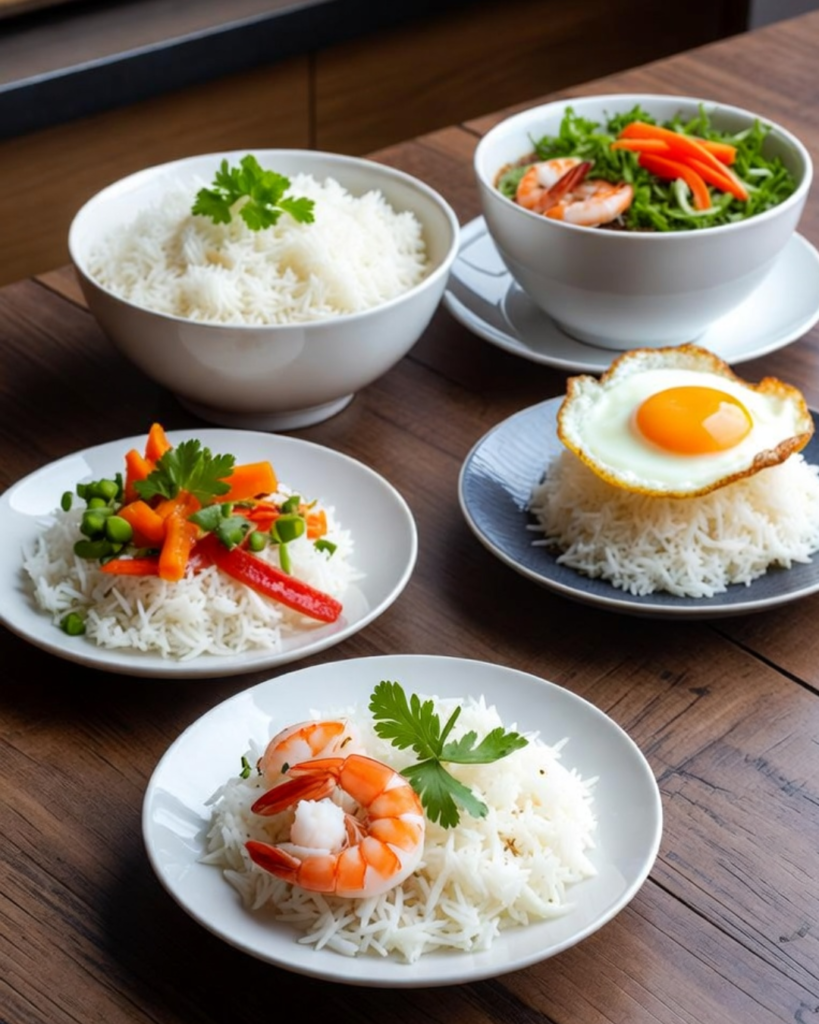
Long-grain white rice (1 cup / 200g): Long-grain like basmati or jasmine cooks up fluffy and separate — the lower starch content is what keeps the grains distinct. Do not substitute short-grain or sushi rice here; their higher starch makes them deliberately sticky, a different result entirely.
Water or stock (1½ cups / 360ml): The precise ratio matters more than the liquid choice, but stock adds savory depth over plain water at no extra effort. Measure it exactly — this is the single biggest factor in the final texture.
Salt (½ tsp): Non-negotiable for flavor. Rice cooked without salt tastes flat no matter what you serve it with. Add it to the cooking water so it seasons from within.
Butter or oil (1 tbsp, optional): A small amount of fat coats the grains, adds flavor, and helps keep them separate. Toasting the dry rice in it briefly deepens the flavor further.
Aromatics (optional — a bay leaf, garlic clove, or knob of ginger): These infuse the cooking liquid subtly. A bay leaf is the simplest upgrade from plain to fragrant rice.
Step-by-Step Instructions
Prep time: 5 minutes · Cook time: 18 minutes · Rest time: 10 minutes · Total time: 33 minutes · Servings: 4
- Rinse the rice until the water runs clear. Place the rice in a fine strainer and rinse under cold water, swishing, for 30 to 60 seconds. This is the critical step — you’re washing off the surface starch that would otherwise glue the grains together. Cloudy water means you’re not done.
- Toast the rice briefly (optional). Melt the butter in the pot and stir the drained rice for one minute. What’s actually happening is the fat coats each grain and light toasting adds a nutty depth, reinforcing separation.
- Add measured liquid and salt. Pour in exactly 1.5 cups of water or stock and the salt. Stir once to distribute, then stop — over-stirring releases starch and works against you.
- Bring to a boil, then drop to low. Bring the pot to a rolling boil uncovered, then immediately reduce to the lowest simmer and cover. The shift from high to low heat is what transitions from rapid boiling to gentle steaming.
- Simmer covered for 15 minutes — no peeking. Keep the lid on the entire time. Lifting it lets steam escape and disrupts the cook. Trust the timer.
- Rest off the heat for 10 minutes. Remove the pot from the burner and let it sit, still covered. This rest lets the moisture redistribute so the grains firm up evenly instead of staying wet at the bottom.
- Fluff with a fork. Uncover and gently fluff — never stir — with a fork to separate the grains and release excess steam.
Technique Notes for Better Results
- Where most home cooks go wrong: skipping the rinse. Unrinsed rice is the number-one cause of gummy results. Rinse until clear, every time.
- The professional approach here is measuring by volume precisely. Eyeballing the water is why rice comes out inconsistent. Use the same cup for rice and water so the ratio holds.
- Never stir rice as it cooks. Stirring agitates the grains and releases starch, turning fluffy into sticky. Stir once at the start and then leave it be.
- Match your heat to your pot. Too high scorches the bottom before the top cooks. The lowest stable simmer is the target — a heat diffuser helps on strong burners.
- Let it rest — don’t rush to the table. The off-heat rest is what separates good rice from great. Skipping it leaves a soggy bottom layer.
- Use a tight-fitting lid. A loose lid leaks steam. If yours doesn’t seal well, lay a clean kitchen towel under it to trap the steam.
Plating and Serving
- Stir-fries and curries: Plain rice is the neutral canvas that balances bold, saucy dishes and soaks up their flavor.
- Grilled or roasted proteins: A simple, clean side that lets the main dish lead while adding satisfying substance.
- Beans or lentils: Together they form a complete protein and a hearty, economical plate.
- Beverage pairing: Rice is neutral, so match the drink to the main — green tea suits Asian dishes, while a light lager works alongside spiced or grilled mains.
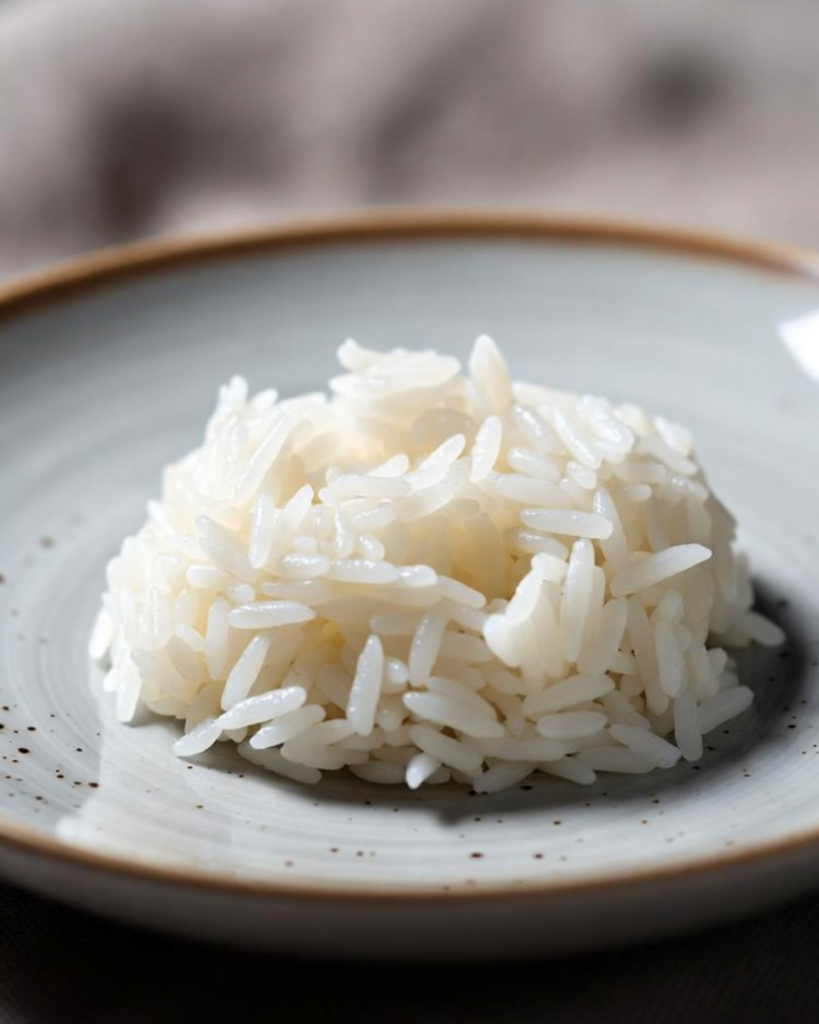
Mound the rice with a light hand or press it gently into a small bowl and invert it onto the plate for a clean dome. Garnish simply with fresh herbs or toasted seeds — the appeal of well-cooked rice is its light, separate texture, so let that show rather than burying it.
Nutritional Profile
White rice is an efficient, easily digested source of energy, providing quick complex carbohydrates and being naturally gluten-free and low in fat. It’s often enriched with iron and B vitamins. While it has less fiber than brown rice, its neutrality and digestibility make it a versatile, gentle staple that pairs with almost anything.
Dietary modifications: For more fiber and nutrients, swap in brown rice, but adjust the method — it needs more water and a longer cook, roughly 40 minutes. For lower carb, cauliflower rice is a light alternative that cooks in minutes with a very different texture. To boost protein and flavor, cook the rice in stock and stir in herbs or peas at the fluffing stage.
Common Questions, Answered Directly
Why is my rice always mushy? Too much water or skipping the rinse. Stick to the 1.5-to-1 ratio and rinse until the water runs clear.
Why is the bottom layer wet or burnt? Your heat was too high, or you skipped the off-heat rest. Use the lowest simmer and let it sit covered 10 minutes after cooking.
Do I really need to rinse the rice? For fluffy, separate grains, yes. Rinsing removes the surface starch that causes clumping — it’s the difference-maker.
How do I store and reheat leftovers? Refrigerate up to four days and reheat with a splash of water, covered, to steam it back to life. Cool leftovers quickly and refrigerate promptly for food safety.
The whole method comes down to three habits: rinse the starch away, measure the water exactly, and leave the lid alone while it cooks and rests. Do that and these easy white rice recipes deliver light, fluffy, separate grains every time. Measure your cup, rinse until clear, and put a perfect pot on the table tonight.