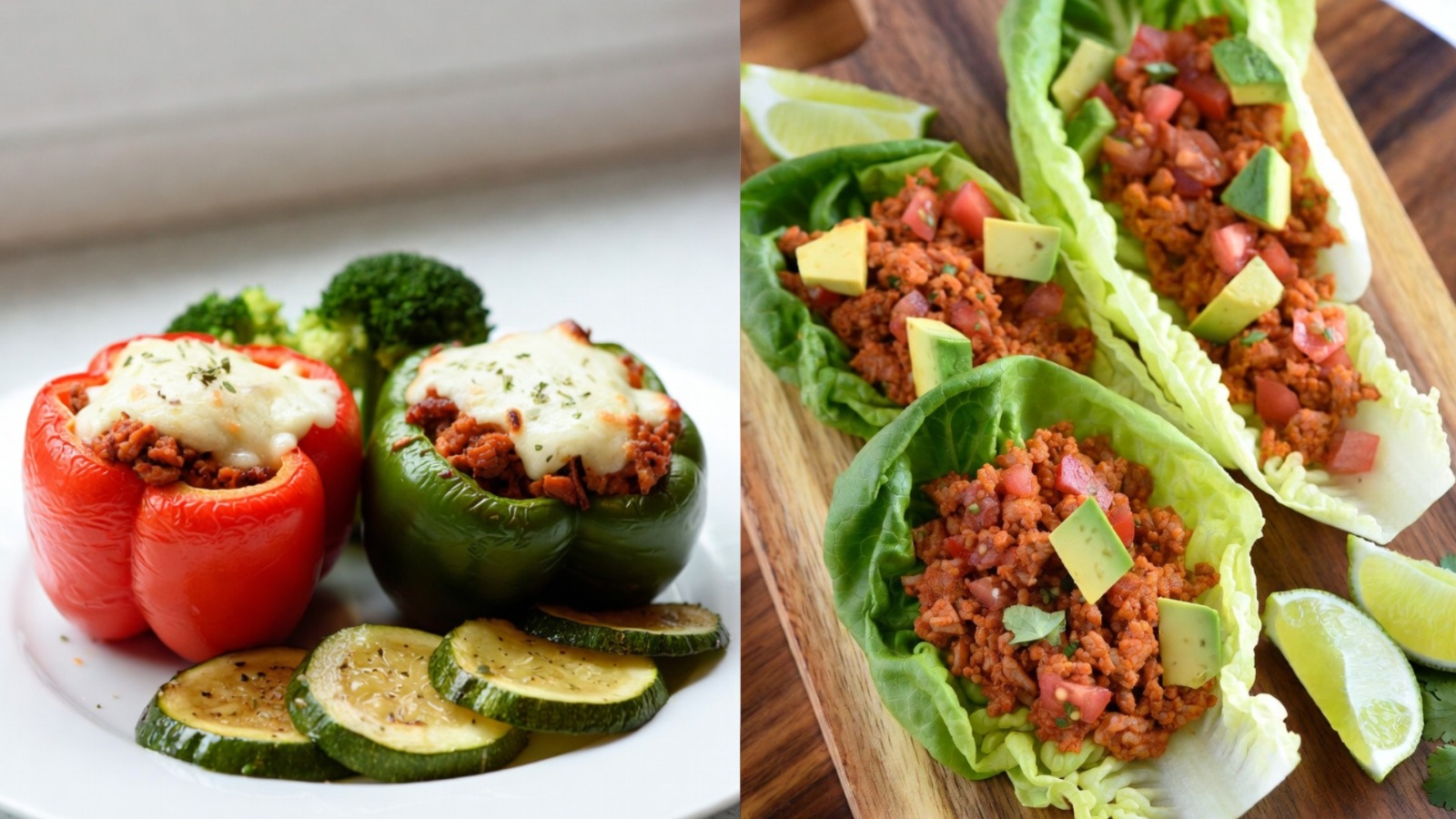
Most people drain the fat off ground turkey and wonder why the dish tastes flat. Turkey is already lean, and stripping what little fat renders out leaves you with dry, characterless crumbles. The best low carb ground turkey recipes work in the opposite direction — they build flavor into the lean meat rather than cooking it out. The dish that has quietly taken over low-carb kitchens, the egg roll in a bowl, proves the point better than any other. It delivers everything you want from takeout — savory, gingery, sesame-rich, deeply satisfying — with none of the wrapper, in a single pan, in the time it takes to set the table.
Table of Contents
What Makes This Recipe Work
- Lean meat needs a fat and an acid to carry it. The science here is simple: ground turkey has almost no intramuscular fat to conduct flavor, so you add it back deliberately with toasted sesame oil and a splash of rice vinegar. This is intentional — the fat carries the aromatics, the acid keeps the whole thing from tasting heavy.
- Cabbage is the wrapper, deconstructed. An egg roll is essentially seasoned meat and cabbage inside dough. Remove the dough and you’ve removed nearly all the carbs while keeping everything that made it taste good. Most recipes overthink the substitution — the cabbage was always the point.
- Brown the turkey hard, then season. Lean meat browns reluctantly because it’s wet. Giving it real undisturbed contact with a hot pan builds the fond and the savory depth that fat would otherwise provide.
- Aromatics go in late, not early. Garlic and ginger scorch fast and turn bitter. Adding them after the meat is browned — not before — protects their sharp, fresh perfume.
Prep time: 5 minutes · Cook time: 12 minutes · Total time: 17 minutes · Servings: 4
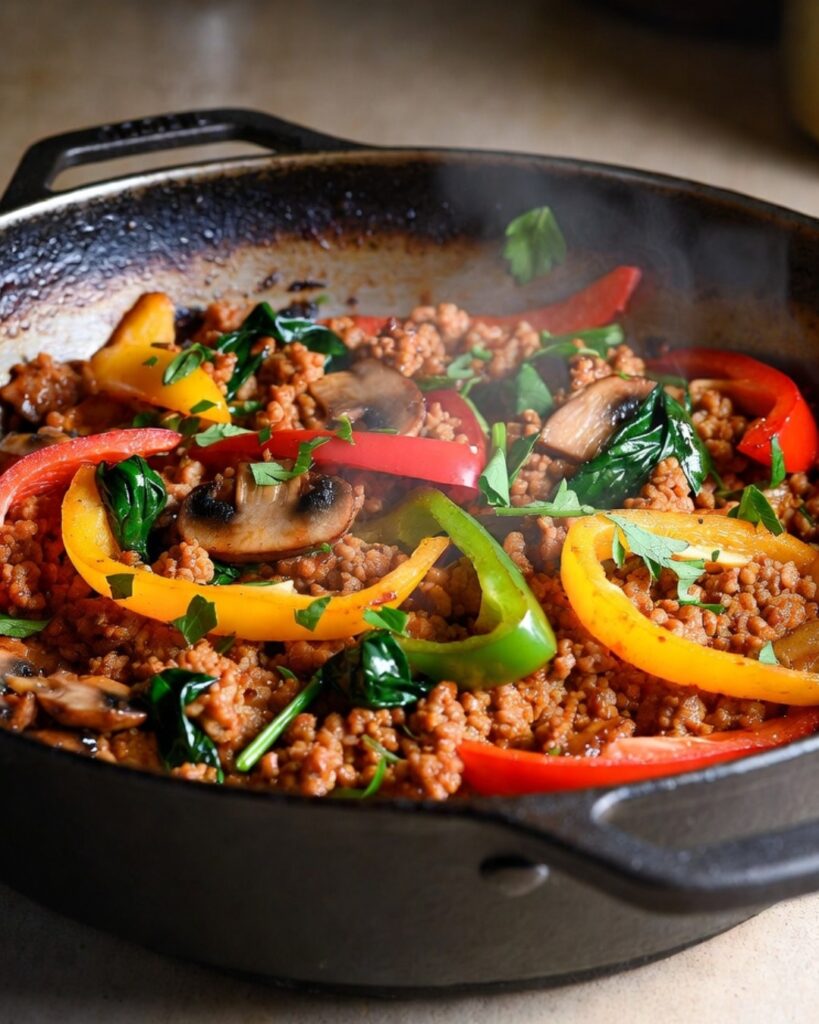
Ingredients — What to Buy and Why It Matters
- 1 lb ground turkey (93/7, not 99/1): The 7 percent fat matters. The ultra-lean 99/1 grind sounds virtuous but cooks to sawdust — do not substitute it here. The small amount of fat in 93/7 is what makes the dish taste like something.
- 6 cups shredded green cabbage (or a bagged coleslaw mix): A pre-shredded slaw mix with carrots saves ten minutes and adds a faint sweetness. Buy it dry and crisp; any sliminess in the bag means it’s past its prime.
- 1 tbsp neutral oil (avocado or grapeseed): For the initial sear. You need a high smoke point to brown the meat properly without the oil breaking down.
- 4 cloves garlic + 1 tbsp fresh ginger, minced: Fresh only. The volatile aromatics that define this dish are gone in the jarred versions.
- 3 tbsp soy sauce or tamari: Tamari keeps it gluten-free and tastes rounder. This is your primary salt and umami source.
- 1 tbsp toasted sesame oil: A finishing fat, added off-heat. Cook it and you lose the nutty aroma that carries the whole dish.
- 1 tsp rice vinegar: The quiet hero. A single teaspoon of acid brightens the lean meat and keeps it from reading as flat.
- 3 scallions + 1 tbsp sesame seeds: Raw finish for freshness, crunch, and color.
- Optional: 1 tsp sriracha or chili crisp for heat.
Substitution notes: Ground chicken swaps in cleanly at the same lean-to-fat ratio. Coconut aminos replace soy sauce for a soy-free, slightly sweeter version — reduce or skip any added sweetener if you go that route. Bagged broccoli slaw works in place of cabbage and holds its texture even better.
Step-by-Step Instructions
- Heat the pan properly. Set a large skillet over medium-high and add the neutral oil. Wait until it shimmers — a properly preheated pan is what makes lean meat brown instead of steam.
- Brown the turkey undisturbed. Add the ground turkey and press it flat into the pan. Leave it alone for 3–4 minutes before breaking it up. What’s actually happening is the Maillard reaction building the savory fond that lean meat badly needs. Break it up and continue until no pink remains, about 6 minutes total.
- Add the aromatics. Push the meat to one side, add the garlic and ginger to the bare pan, and stir for 30 seconds until fragrant. Cooking them directly on the hot surface, not buried in the meat, releases their aroma without burning.
- Wilt the cabbage in stages. Add the cabbage in two additions — it looks like too much, but it collapses fast. Toss constantly for 3–4 minutes. The critical step here is stopping while it still has a slight bite; overcooked cabbage turns watery and soft.
- Season and finish. Pour the soy sauce and rice vinegar around the edge of the pan, toss to coat, and cook for one more minute. Kill the heat, add the toasted sesame oil, and toss once.
- Garnish and serve. Scatter scallions and sesame seeds over the top, add sriracha if using, and serve immediately while the cabbage still has snap.
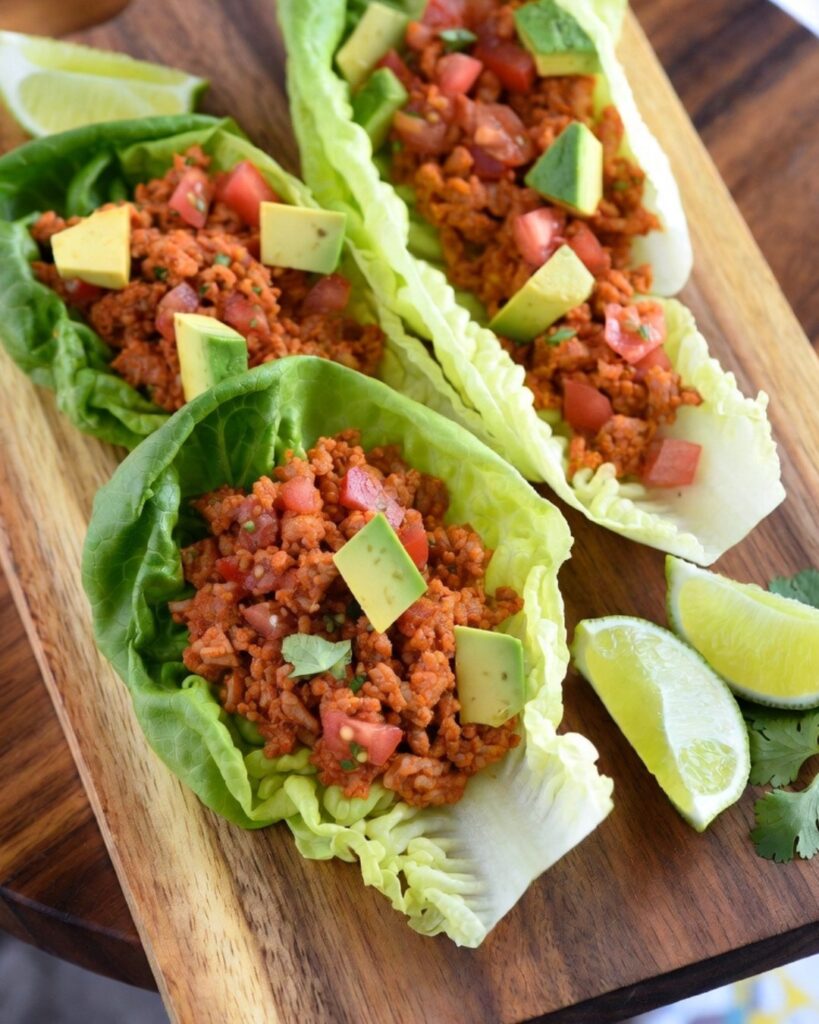
Technique Notes for Better Results
- Where most home cooks go wrong: they stir too soon. Constant early stirring keeps the turkey wet and gray. Let it sit and brown before you touch it.
- The professional approach here is to build the fond and deglaze it. Those browned bits stuck to the pan are pure flavor — the soy sauce and vinegar lift them back into the dish.
- Don’t crowd the cabbage. If your pan is small, wilt it in two batches. A packed pan steams the cabbage into mush instead of giving it that faint char.
- Salt last, taste first. Soy sauce brands vary enormously in sodium. Add most of it, taste, then adjust.
- Sesame oil is a finish, not a cooking fat. This is non-negotiable — added off the heat, it perfumes the dish; cooked, it disappears.
- Rescue dry turkey with an extra teaspoon of sesame oil and a squeeze of lime, not more soy sauce, which only makes it saltier.
Plating and Serving
- Serve in a shallow bowl, mounded high — height keeps it hot and reads as generous.
- Top with contrast: raw scallion, toasted sesame, and a drizzle of chili crisp against the savory base.
- For a fuller low-carb plate, pair with cauliflower rice to soak up the pan juices, or a simple cucumber salad for cool, acidic contrast.
- Beverage: A dry Riesling or a crisp light lager both cut the salt and sesame cleanly; unsweetened iced green tea works for a non-alcoholic option.
Nutritional Profile
This is a genuinely lean, high-protein, low-carbohydrate meal. Ground turkey delivers roughly 22 grams of protein per serving with modest fat, while cabbage is almost entirely water and fiber — high volume, very few calories, and a solid dose of vitamin C and vitamin K. The whole bowl lands around 8–10 grams of net carbs.
For lower sodium, use reduced-salt tamari and lean on the ginger, garlic, and vinegar for flavor. For Whole30 or paleo, swap soy sauce for coconut aminos and confirm your chili crisp has no added sugar. For higher fat / keto macros, finish with a soft-fried egg on top or an extra teaspoon of sesame oil — both raise satiety without adding carbs.
Common Questions, Answered Directly
Why is my ground turkey dry? You either used 99/1 or drained the fat. Use 93/7 and keep every bit of what renders — the fat is the flavor.
How do I keep the cabbage from getting watery? High heat, don’t overcrowd, and pull it while it still has crunch. Cabbage releases water the longer it cooks, so speed is your friend.
Can I meal prep this? Yes — it holds 4 days refrigerated and reheats well in a hot skillet. The flavor deepens overnight. Reheat on the stovetop, not the microwave, to keep the cabbage from going limp.
Can I freeze it? The meat freezes fine; the cabbage softens on thaw. If you know you’ll freeze it, cook the cabbage a touch less to compensate.
Grab a pound of turkey and a bag of slaw on your way home and have this on the table before delivery would even arrive. Make it once and you’ll understand the obsession.